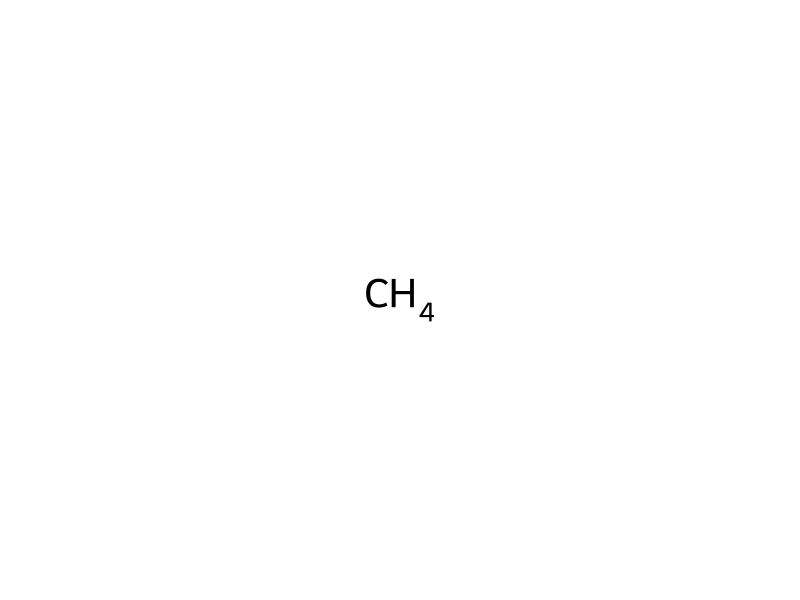
Methane → Rosoxacin
Reaction equation

[N:1]1[CH:6]=[CH:5][C:4]([C:7]2[CH:8]=[C:9]([CH:13]=[CH:14][CH:15]=2)[NH:10][CH2:11][CH3:12])=[CH:3][CH:2]=1.C([O:18][CH:19]=[C:20]([C:26](OCC)=O)[C:21]([O:23]CC)=[O:22])C.[OH-].[K+].C>O>[CH2:11]([N:10]1[C:9]2[C:13](=[CH:14][CH:15]=[C:7]([C:4]3[CH:5]=[CH:6][N:1]=[CH:2][CH:3]=3)[CH:8]=2)[C:19](=[O:18])[C:20]([C:21]([OH:23])=[O:22])=[CH:26]1)[CH3:12]Participants
Reactant 4



Product 1

Reagents, catalysts & solvents 1

Conditions
- Temperature
- 165 °C
Procedure
A mixture of 100 mg of 3-(4-pyridyl)-N-ethylaniline (90% pure) and 108 mg of diethyl ethoxymethylenemalonate was heated at 165° C. for 0.5 hour. Then 2 g of polyphosphoric acid were added to the mixture, and heating was continued for another hour. A solution of 3 g of potassium hydroxide in 40 ml of water was then added to the reaction mixture, bringing it to a pH of 12-13; and the solution was heated on a steam bath for 30 minutes until it became clear. A pinch of activated charcoal was added, and the reaction mixture was stirred while hot for another 10 minutes and filtered. The residue was taken into 20 ml of methanol, heated, and then cooled. Filtration yielded 43 mg of 1-ethyl-1,4-dihydro-4-oxo-7-(4-pyridyl)-3-quinolinecarboxylic acid as a slightly impure white solid. Another 19 mg of the product were found in the filtrate, bringing the total yield to 47%, based on the amount of 3-(4-pyridyl)-N-ethylaniline employed.
Workup
- temperatureheating
- waitwas continued for another hour
- temperatureand the solution was heated on a steam bath for 30 minutes until it
- filtrationfiltered
- temperatureheated
- temperaturecooled
- filtrationFiltration
Sources & evidence
- ORD record
- ord-2085379af1264117b05257e2c8758a26
- Source dataset
- uspto-grants-1985_08
- Patent number
- US04533735
Reaction notes
Loading…