Ethyl Acetate → 5-bromo-N-(4-methoxybenzyl)-3-methylindazole
Reaction equation

[Br:1][C:2]1[CH:3]=[C:4]2[C:8](=[CH:9][CH:10]=1)[NH:7][N:6]=[C:5]2[CH3:11].CC(C)([O-])C.[K+].[CH3:18][O:19][C:20]1[CH:27]=[CH:26][C:23]([CH2:24]Cl)=[CH:22][CH:21]=1.C(OCC)(=O)C>C1COCC1>[Br:1][C:2]1[CH:3]=[C:4]2[C:8](=[CH:9][CH:10]=1)[N:7]([CH2:24][C:23]1[CH:26]=[CH:27][C:20]([O:19][CH3:18])=[CH:21][CH:22]=1)[N:6]=[C:5]2[CH3:11]Participants





Procedure
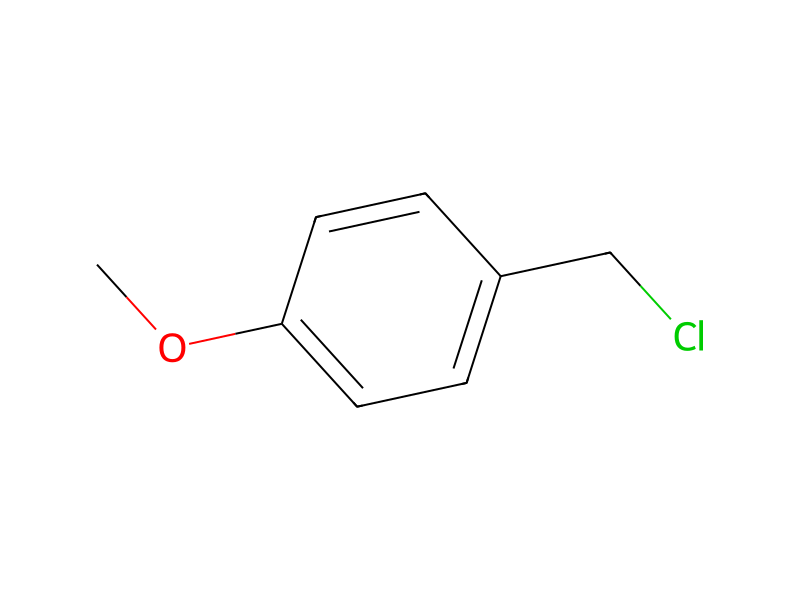
To a solution of 5-bromo-3-methylindazole 104 (0.2 g, 0.948 mmol) in anhydrous THF (3 mL), cooled in ice bath, was added potassium t-butoxide (0.127 g, 1.13 mmol) and 4-methoxybenzyl chloride (0.14 mL, 1.04 mmol). The reaction mixture was allowed to warmed to room temperature and was stirred for 16 hours. Ethyl acetate (100 mL) was added and the organic layer was washed with saturated ammonium chloride solution, water and brine. The organic layer was dried over sodium sulfate. The organic solvent was evaporated under reduced pressure. The crude product was purified by flash column chromatography to yield the desired 5-bromo-N-(4-methoxybenzyl)-3-methylindazole 105 (0.29 g, 0.932 mmol) as a mixture of the 1H- and 2H-indazole regioisomers.
Workup
- washthe organic layer was washed with saturated ammonium chloride solution, water and brine
- dry with materialThe organic layer was dried over sodium sulfate
- customThe organic solvent was evaporated under reduced pressure
- customThe crude product was purified by flash column chromatography
Sources & evidence
- ORD record
- ord-76fa1e9c32a94730a41a1a14409bf5da
- Source dataset
- uspto-grants-2009_05
- Patent number
- US07528132B2
Reaction notes
Loading…