Dichloromethane → Ethyl 1-(benzenesulfonyl)indole-2-carboxylate
Reaction equation

[NH:1]1[C:9]2[C:4](=[CH:5][CH:6]=[CH:7][CH:8]=2)[CH:3]=[C:2]1[C:10]([O:12][CH2:13][CH3:14])=[O:11].[H-].[Na+].[C:17]1([S:23](Cl)(=[O:25])=[O:24])[CH:22]=[CH:21][CH:20]=[CH:19][CH:18]=1.ClCCl>CN(C=O)C.O>[C:17]1([S:23]([N:1]2[C:9]3[C:4](=[CH:5][CH:6]=[CH:7][CH:8]=3)[CH:3]=[C:2]2[C:10]([O:12][CH2:13][CH3:14])=[O:11])(=[O:25])=[O:24])[CH:22]=[CH:21][CH:20]=[CH:19][CH:18]=1Participants
7

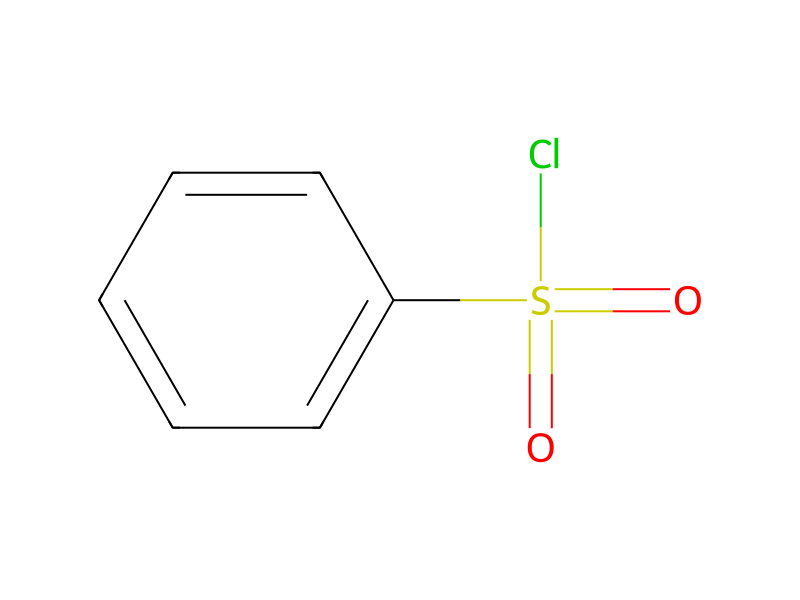





Procedure
To a stirred and cooled (to about 0° C.) solution of ethyl indole-2-carboxylate 10 (1 eq.) in DMF (2 ml/mmol) under N2, was added NaH (60% in oil, 1.2 eq.) portionwise. When gas evolution stopped, benzenesulfonyl chloride (1.2 eq.) was added. The reaction mixture was stirred for about 1 hour (TLC monitoring, eluent dichloromethane); a small amount of water then was added carefully and the DMF was evaporated. The crude residue was dissolved in ethyl acetate and washed with water and brine. After drying and evaporation of the solvents, the compound was purified by chromatography on silica gel (eluent: C6H12/EtOAc 9/1 to 7/3) to give the ethyl 1-phenylsulfonylindole-2-carboxylate.
Workup
- customthe DMF was evaporated
- dissolutionThe crude residue was dissolved in ethyl acetate
- washwashed with water and brine
- customAfter drying
- customevaporation of the solvents
- customthe compound was purified by chromatography on silica gel (eluent: C6H12/EtOAc 9/1 to 7/3)
Sources & evidence
- ORD record
- ord-62e0074dd1bd46c7bde120c51108ea63
- Source dataset
- uspto-grants-2009_05
- Patent number
- US07534809B2
Reaction notes
Loading…