Diethyl Carbonate → 6,8-Dibromo-4-hydroxy-2H-1-benzopyran-2-one
Reaction equation

[CH2:1]([O:3]C(=O)OCC)C.[H-].[Na+].[Br:11][C:12]1[C:13]([OH:22])=[C:14]([C:19](=[O:21])[CH3:20])[CH:15]=[C:16]([Br:18])[CH:17]=1.[OH-].[Na+]>C1(C)C=CC=CC=1>[Br:18][C:16]1[CH:17]=[C:12]([Br:11])[C:13]2[O:22][C:1](=[O:3])[CH:20]=[C:19]([OH:21])[C:14]=2[CH:15]=1Participants
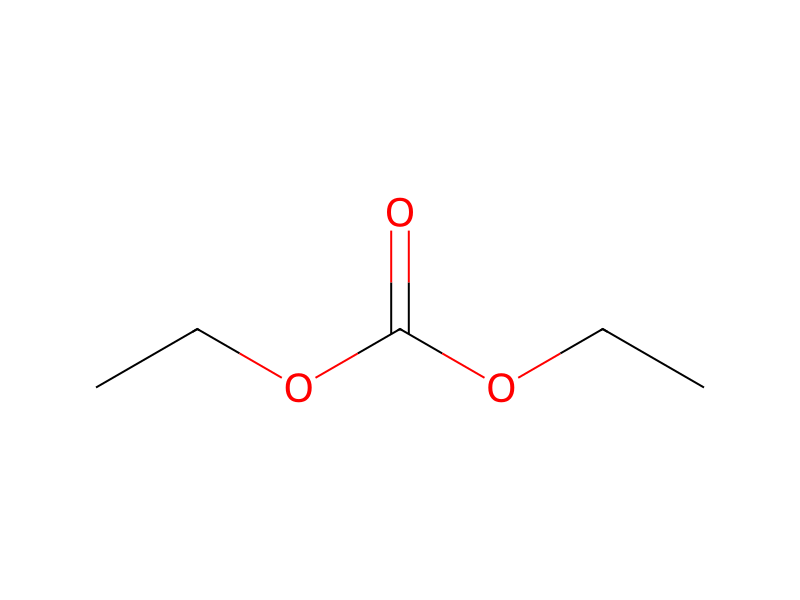





Conditions
- Temperature
- 105 °C
Procedure
A solution is prepared of diethylcarbonate (62.5 mmol, 7.6 mL) in 150 mL of toluene to which is added NaH (37.5 mmol, 1.5 g of 60% dispersion in mineral oil) in portions. To this solution is added, dropwise, 3′,5′-dibromo-2′-hydroxyacetophenone (12.5 mmol, 3.67 g) in 50 mL of toluene. The reaction is heated to 105° C. overnight, cooled to ambient temperature, 100 mL of 1N NaOH, is added and the reaction is stirred vigorously for 5 hrs at ambient temperature. The layers are separated and the aqueous layer is washed with EtOAc 2×. The combined organic layers are washed with H2O 1×. The combined aqueous layers are acidified to pH 2 with conc HCl to form a precipitate that is filtered and is washed with H2O. The solid material is dissolved in ACN/H2O and speed vacced to dryness to afford the title compound as a light tan solid (0.737 g, 18%). 1H NMR (DMSO-d6, 300 MHz) δ 12.98 (1H, br s), 8.18 (1H, d, J=2.25 Hz), 7.90 (1H, d, J=2.25 Hz), 5.64 (1H, s); MS (ESI, Pos.) calcd for C9H4Br2O3 m/z [M+H]=318.9, found 318.9.
Workup
- additionTo this solution is added
- temperaturecooled to ambient temperature
- customThe layers are separated
- washthe aqueous layer is washed with EtOAc 2×
- washThe combined organic layers are washed with H2O 1×
- customto form a precipitate that
- filtrationis filtered
- washis washed with H2O
- dissolutionThe solid material is dissolved in ACN/H2O
Sources & evidence
- ORD record
- ord-ec436f7b21b9422389f11fd23d2a2498
- Source dataset
- uspto-grants-2009_05
- Patent number
- US07538233B2
Reaction notes
Loading…