3-Nitrophenylboronic Acid → 3-(3-Nitrophenyl)pyridine
Reaction equation

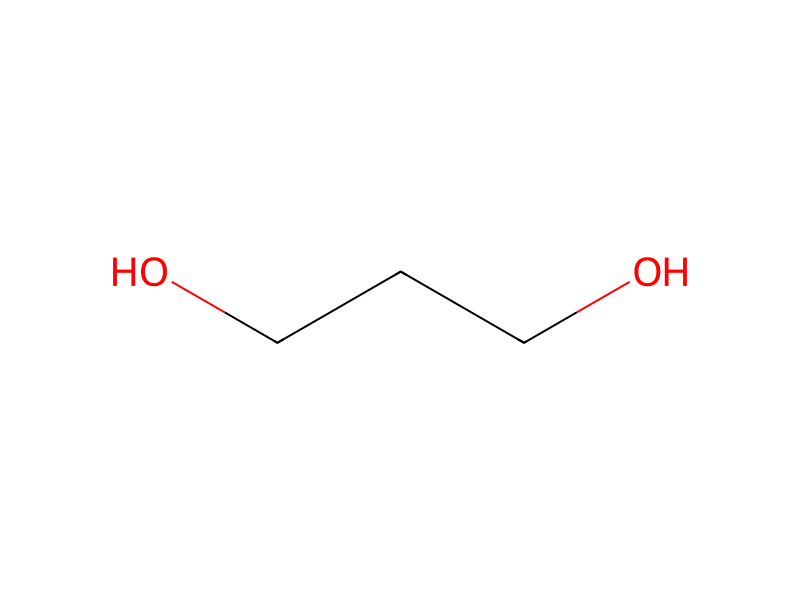
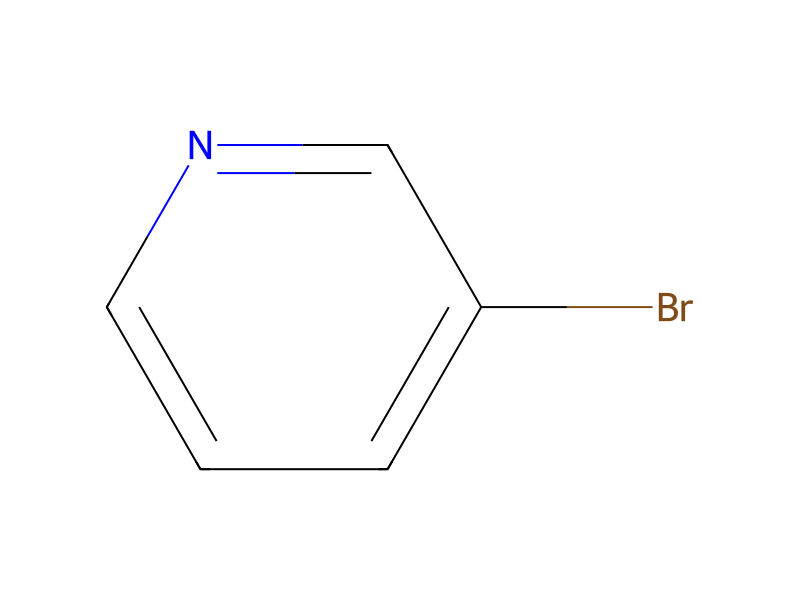
[N+:1]([C:4]1[CH:5]=[C:6](B(O)O)[CH:7]=[CH:8][CH:9]=1)([O-:3])=[O:2].Br[C:14]1[CH:15]=[N:16][CH:17]=[CH:18][CH:19]=1.C(=O)([O-])[O-].[K+].[K+].C(O)CCO>O.C(COC)OC.C1C=CC([P]([Pd]([P](C2C=CC=CC=2)(C2C=CC=CC=2)C2C=CC=CC=2)([P](C2C=CC=CC=2)(C2C=CC=CC=2)C2C=CC=CC=2)[P](C2C=CC=CC=2)(C2C=CC=CC=2)C2C=CC=CC=2)(C2C=CC=CC=2)C2C=CC=CC=2)=CC=1>[N+:1]([C:4]1[CH:5]=[C:6]([C:14]2[CH:15]=[N:16][CH:17]=[CH:18][CH:19]=2)[CH:7]=[CH:8][CH:9]=1)([O-:3])=[O:2]Participants
Reactant 4


Product 1

Reagents, catalysts & solvents 3



Conditions
- Temperature
- 80 °C
Procedure
A mixture of 3-nitrophenylboronic acid (50 g, 0.3 mol), 3-bromopyridine (48 ml, 0.5 mol), potassium carbonate (207 g, 1.5 mol), 1,3-propanediol (107 ml, 1.5 mol) and tetrakis(triphenylphosphine)palladium(0) (0.5 g) in a mixture of water (200 ml) and dimethoxyethane (400 ml) was stirred in a nitrogen atmosphere at 80° C. for 3 hours. After cooling the dimethoxyethane was removed under reduced pressure and the residue was stirred with additionally 200 ml water overnight. The precipitate was filtered off and extracted with aqueous hydrochloric acid (4M, 300 ml). The extract was rendered alkaline by addition of aqueous sodium hydroxide (12M). The product was filtered off, washed with water and dried with suction to yield 3-(3-nitrophenyl)pyridine (50.6 g, 84%).
Workup
- customwas removed under reduced pressure
- stirringthe residue was stirred with additionally 200 ml water overnight
- filtrationThe precipitate was filtered off
- extractionextracted with aqueous hydrochloric acid (4M, 300 ml)
- additionby addition of aqueous sodium hydroxide (12M)
- filtrationThe product was filtered off
- washwashed with water
- customdried with suction
Sources & evidence
- ORD record
- ord-412d1a77fdcf4ae58d4a1e002dc11db6
- Source dataset
- uspto-grants-2004_03
- Patent number
- US06710044B2
Reaction notes
Loading…