Acetate → 1-(4-Trifluoromethylanilino)-4-(4-pyridylmethyl)phthalazine
Reaction equation

Cl[C:2]1[C:11]2[C:6](=[CH:7][CH:8]=[CH:9][CH:10]=2)[C:5]([CH2:12][C:13]2[CH:18]=[CH:17][N:16]=[CH:15][CH:14]=2)=[N:4][N:3]=1.[NH2:19][C:20]1[CH:25]=[CH:24][C:23]([C:26]([F:29])([F:28])[F:27])=[CH:22][CH:21]=1.C([O-])(=O)C.C(=O)([O-])[O-].[K+].[K+]>>[F:27][C:26]([F:28])([F:29])[C:23]1[CH:24]=[CH:25][C:20]([NH:19][C:2]2[C:11]3[C:6](=[CH:7][CH:8]=[CH:9][CH:10]=3)[C:5]([CH2:12][C:13]3[CH:18]=[CH:17][N:16]=[CH:15][CH:14]=3)=[N:4][N:3]=2)=[CH:21][CH:22]=1Participants
5
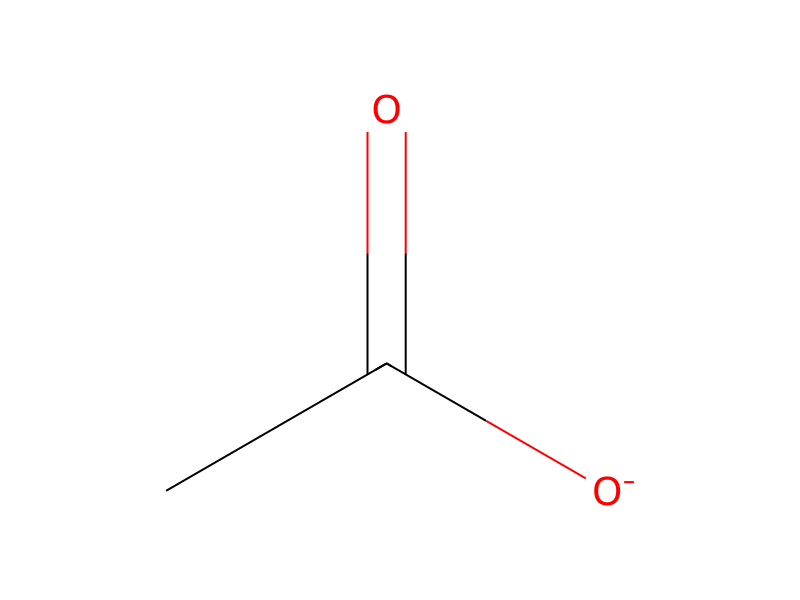




Conditions
- Temperature
- 100 °C
Procedure
A mixture of 0.511 g (2 mmol) 1-chloro-4-(4-pyridylmethyl)phthalazine and 0.746 ml (6 mmol) 4-aminobenzotrifluoride is heated for 2.5 h at 100° C. The reaction mixture is then distributed between acetate and 20% aqueous potassium carbonate solution. The title compound is obtained after further processing as described in Example 7; m.p. 205-206° C.; ESI-MS: (M+H)+=381.
Sources & evidence
- ORD record
- ord-f3e4703d52224f2cbc6c760f1b82ba2a
- Source dataset
- uspto-grants-2004_03
- Patent number
- US06710047B2
Reaction notes
Loading…