Trifluoroacetic acid → 2-Cyclohexylquinoline
Reaction equation

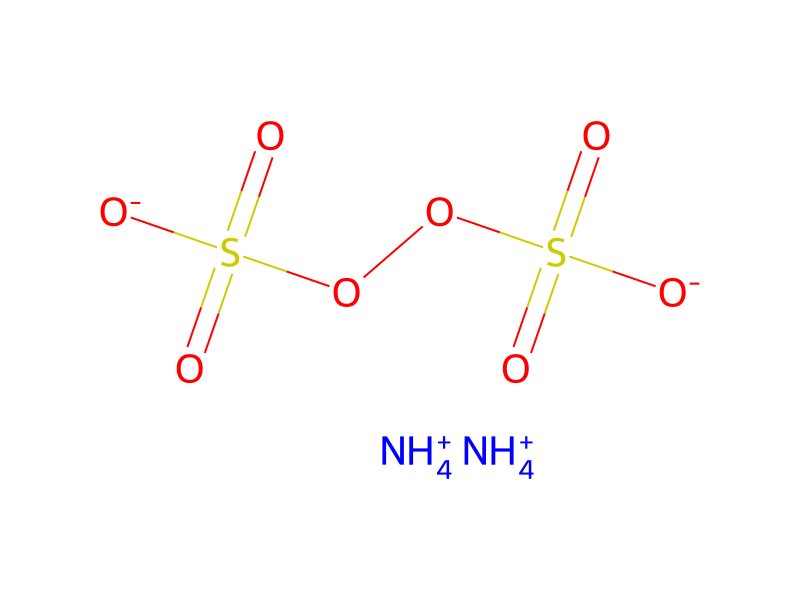
[N:1]1[C:10]2[C:5](=[CH:6][CH:7]=[CH:8][CH:9]=2)[CH:4]=[CH:3][CH:2]=1.[CH:11]1(C(O)=O)[CH2:16][CH2:15][CH2:14][CH2:13][CH2:12]1.S(OOS([O-])(=O)=O)([O-])(=O)=O.[NH4+].[NH4+].FC(F)(F)C(O)=O.[OH-].[Na+]>ClC1C=CC=CC=1.[N+]([O-])([O-])=O.[Ag+].O>[CH:11]1([C:2]2[CH:3]=[CH:4][C:5]3[C:10](=[CH:9][CH:8]=[CH:7][CH:6]=3)[N:1]=2)[CH2:16][CH2:15][CH2:14][CH2:13][CH2:12]1Participants
Reactant 5




Product 1

Reagents, catalysts & solvents 3



Conditions
- Temperature
- 140 °C
Procedure
To a solution of quinoline (11.84 ml, 100 mmol) in chlorobenzene (300 ml) was added sequentially water (300 ml), cyclohexanecarboxylic acid (35.88 g, 280 mmol), silver nitrate (1.36 g, 8.0 mmol), ammonium persulfate (22.82 g, 100 mmol) and trifluoroacetic acid (7.67 g, 100 mmol). The mixture was heated to 140° C. with stirring for 3 h. The mixture was then cooled to room temperature, basified with solid sodium hydroxide and the solvent removed in vacuo. The residue was then subjected to a continuous extraction with isohexane for 18 h, the solvent evaporated under reduced pressure and the residue purified by flash chromatography eluting with 20% (v/v) ethyl acetate in isohexane to afford 2-cyclohexylquinoline as a yellow oil (2.66 g, 12.61 mmol).
Workup
- temperatureThe mixture was then cooled to room temperature
- customthe solvent removed in vacuo
- extractionThe residue was then subjected to a continuous extraction with isohexane for 18 h
- customthe solvent evaporated under reduced pressure
- customthe residue purified by flash chromatography
- washeluting with 20% (v/v) ethyl acetate in isohexane
Sources & evidence
- ORD record
- ord-fe95ad4647da4b808b6880ffccc33cb2
- Source dataset
- uspto-grants-2010_08
- Patent number
- US07772227B2
Reaction notes
Loading…