Boron tribromide → Ammonia
Reaction equation

B(Br)(Br)Br.C[O:6][C:7]1[CH:8]=[C:9]([CH:37]=[CH:38][CH:39]=1)[O:10][C@@H:11]1[CH2:15][CH2:14][N:13]([C:16]([CH3:36])([CH3:35])[CH2:17][CH2:18][C:19]([C:29]2[CH:34]=[CH:33][CH:32]=[CH:31][CH:30]=2)([C:23]2[CH:28]=[CH:27][CH:26]=[CH:25][CH:24]=2)[C:20]([NH2:22])=[O:21])[CH2:12]1.C([O-])=O.[NH4+]>ClCCl.[OH-].[OH-].[Pd+2]>[NH3:13].[OH:6][C:7]1[CH:8]=[C:9]([CH:37]=[CH:38][CH:39]=1)[O:10][C@@H:11]1[CH2:15][CH2:14][N:13]([C:16]([CH3:36])([CH3:35])[CH2:17][CH2:18][C:19]([C:29]2[CH:30]=[CH:31][CH:32]=[CH:33][CH:34]=2)([C:23]2[CH:24]=[CH:25][CH:26]=[CH:27][CH:28]=2)[C:20]([NH2:22])=[O:21])[CH2:12]1Participants





Procedure
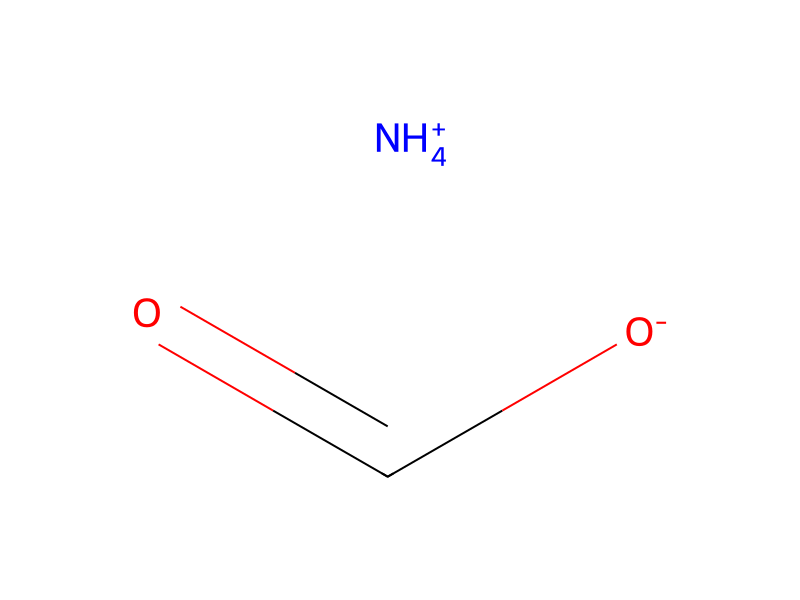
Boron tribromide (1M in dichloromethane, 0.17 mL, 169 mmol) was added to a solution of the product of example 12 (20 mg, 42 mmol) in dichloromethane (2 mL) and the mixture was stirred at room temperature. The reaction was monitored by tlc analysis and portions of boron tribromide (1M in dichloromethane, 0.17 mL, 42 mmol) were added at regular intervals until all of the starting material had been consumed. After a period of 8 days, the reaction mixture was quenched with 0.88 ammonia solution, stirred at room temperature for 1 hour then extracted with dichloromethane (3×5 mL). The combined organic solution was dried over sodium sulfate, concentrated in vacuo and the residue was purified by column chromatography on silica gel, eluting with dichloromethane:methanol:0.88 ammonia, 95:5:0.5 to 92:8:0.8. The appropriate fractions were evaporated under reduced pressure and the residue was dissolved in ethanol. Ammonium formate (12 mg, 0.19 mmol) and 20% Pd(OH)2/C (2 mg) were added and the mixture was heated under reflux for 4 hours. The reaction mixture was then cooled to room temperature, filtered through Arbocel® and the filtrate was concentrated in vacuo. The filtrate was partitioned between ethyl acetate (8 mL) and aqueous ammonia solution (2 mL) and the aqueous layer was separated and extracted with further ethyl acetate (2×3 mL). The combined organic solution was dried over sodium sulfate, concentrated in vacuo and the residue was purified by column chromatography on silica gel, eluting with dichloromethane:methanol:0.88 ammonia, 95:5:0.5, to afford the title compound as a colourless gum in 68% yield, 5.8 mg.
Workup
- additionwere added at regular intervals until all of the starting material
- customhad been consumed
- customthe reaction mixture was quenched with 0.88 ammonia solution
- stirringstirred at room temperature for 1 hour
- extractionthen extracted with dichloromethane (3×5 mL)
- dry with materialThe combined organic solution was dried over sodium sulfate
- concentrationconcentrated in vacuo
- customthe residue was purified by column chromatography on silica gel
- washeluting with dichloromethane
- customThe appropriate fractions were evaporated under reduced pressure
- dissolutionthe residue was dissolved in ethanol
- temperaturethe mixture was heated
- temperatureunder reflux for 4 hours
- temperatureThe reaction mixture was then cooled to room temperature
- filtrationfiltered through Arbocel®
- concentrationthe filtrate was concentrated in vacuo
- customThe filtrate was partitioned between ethyl acetate (8 mL) and aqueous ammonia solution (2 mL)
- customthe aqueous layer was separated
- extractionextracted with further ethyl acetate (2×3 mL)
- dry with materialThe combined organic solution was dried over sodium sulfate
- concentrationconcentrated in vacuo
- customthe residue was purified by column chromatography on silica gel
- washeluting with dichloromethane
Sources & evidence
- ORD record
- ord-092d4777290446bfb43166446f5f3beb
- Source dataset
- uspto-grants-2010_08
- Patent number
- US07772223B2
Reaction notes
Loading…