Hydrochloric Acid → HCID 86615024, compound
Reaction equation

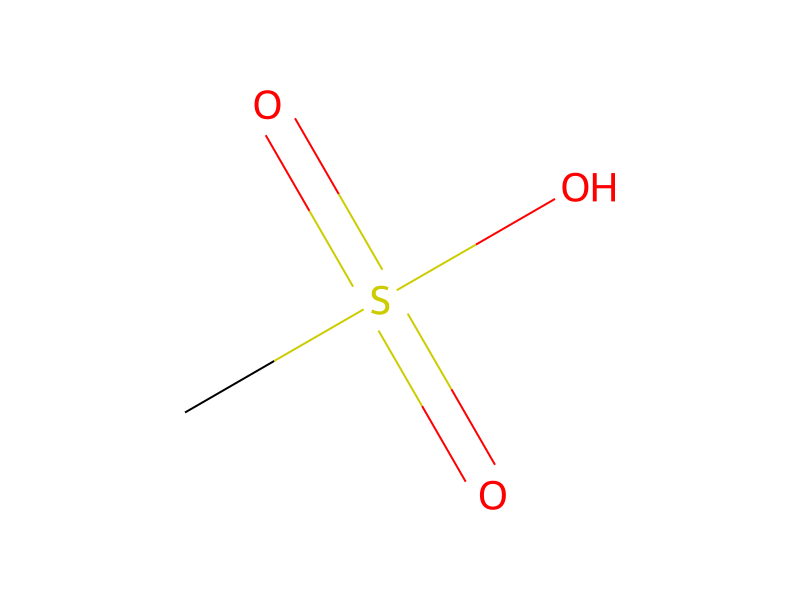
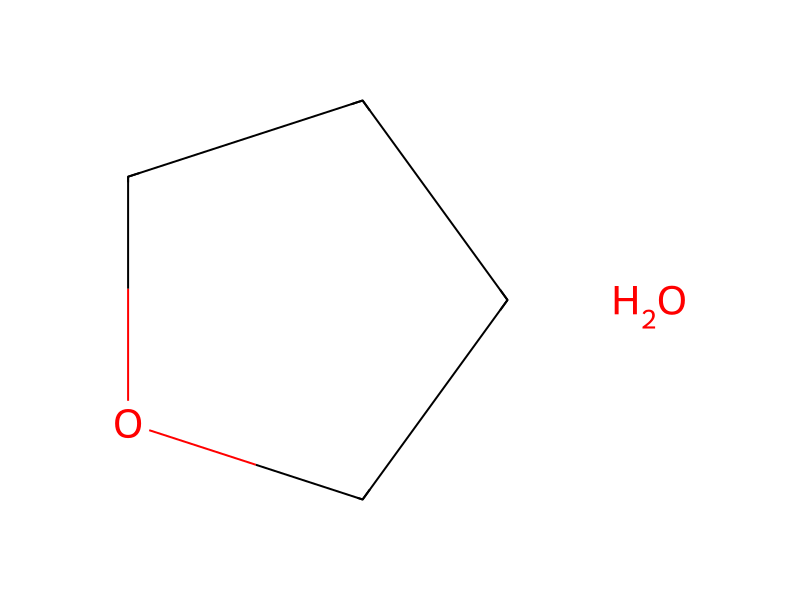
Cl.Cl.[CH3:3][N:4]([CH2:6][CH:7]1[C:16]([C:18]2[CH:23]=[CH:22][CH:21]=[C:20]([F:24])[CH:19]=2)([OH:17])[CH2:15][CH2:14][C:9]2(OCC[O:10]2)[CH2:8]1)[CH3:5].[CH3:25][S:26]([OH:29])(=[O:28])=[O:27]>O1CCCC1.O>[CH3:25][S:26]([OH:29])(=[O:28])=[O:27].[CH3:5][N:4]([CH2:6][CH:7]1[C:16]([C:18]2[CH:23]=[CH:22][CH:21]=[C:20]([F:24])[CH:19]=2)([OH:17])[CH2:15][CH2:14][C:9](=[O:10])[CH2:8]1)[CH3:3]Participants
5
Reactant 3


Product 1

Reagents, catalysts & solvents 1
Procedure
11.4 ml of hydrochloric acid (32%, excess) were added rapidly at 0° C. to a solution of 7-dimethylaminomethyl-8-(3-fluorophenyl)-1,4-dioxa-spiro[4.5]decan-8-ol hydrochloride (10.83 g, 31.3 mmol) in tetrahydrofuran/water mixture, and stirring was then carried out for 16 hours at RT. The mixture was adjusted to pH 11 with 32% sodium hydroxide solution, and extraction was carried out with ether. After evaporation of the solvent in vacuo, the residue was taken up in diisopropyl ether and EE, and the corresponding salt was precipitated by addition of methanesulfonic acid (1.88 ml, 28.9 mmol). 4.92 g (53%) of the product were obtained in the form of a colorless solid.
Workup
- extractionThe mixture was adjusted to pH 11 with 32% sodium hydroxide solution, and extraction
- customAfter evaporation of the solvent in vacuo
Sources & evidence
- ORD record
- ord-e609beb641354455ab4ef8e6156de09a
- Source dataset
- uspto-grants-2010_08
- Patent number
- US07776848B2
Reaction notes
Loading…