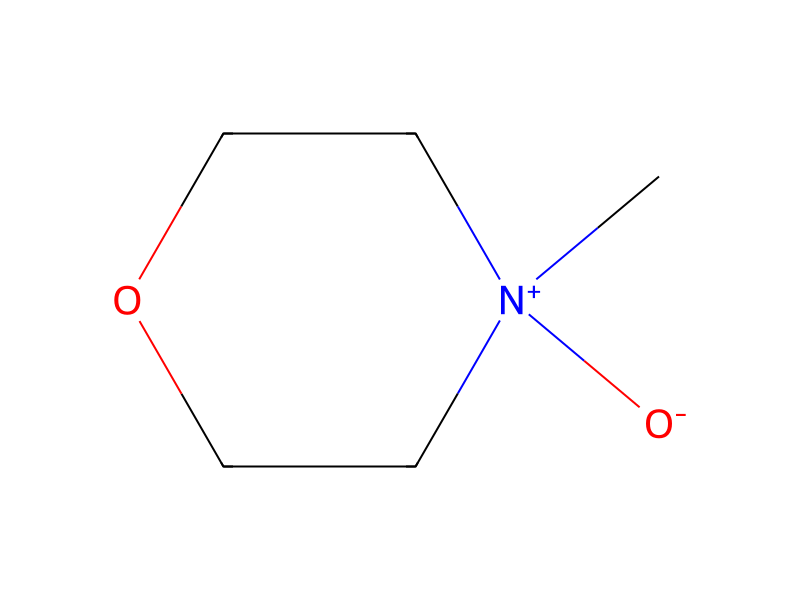
Methyl morpholine oxide → 1-benzyl-2-chloro-5-phenyl-1H-pyrrole-3-carbaldehyde
Reaction equation

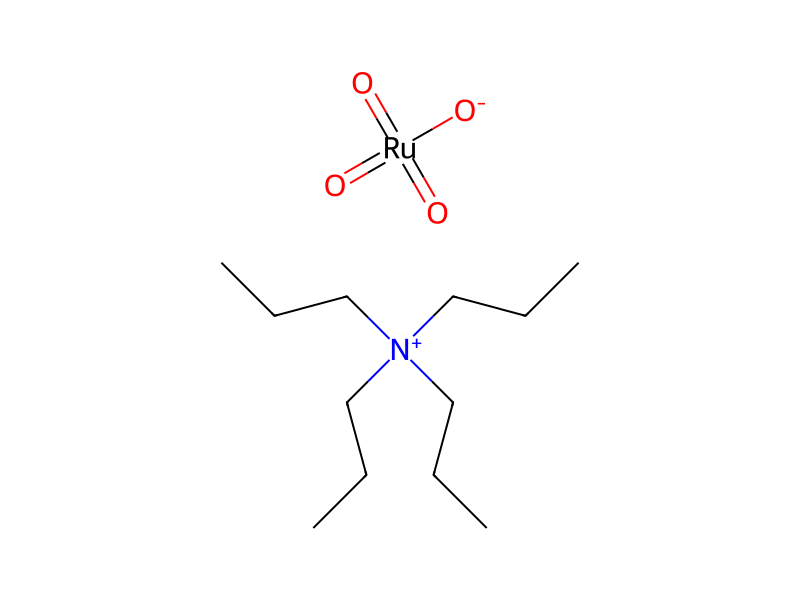
[CH2:1]([N:8]1[C:12]([C:13]2[CH:18]=[CH:17][CH:16]=[CH:15][CH:14]=2)=[CH:11][C:10]([CH2:19][OH:20])=[C:9]1[Cl:21])[C:2]1[CH:7]=[CH:6][CH:5]=[CH:4][CH:3]=1.C[N+]1([O-])CCOCC1>C(Cl)Cl.CCC[N+](CCC)(CCC)CCC.[O-][Ru](=O)(=O)=O>[CH2:1]([N:8]1[C:12]([C:13]2[CH:14]=[CH:15][CH:16]=[CH:17][CH:18]=2)=[CH:11][C:10]([CH:19]=[O:20])=[C:9]1[Cl:21])[C:2]1[CH:3]=[CH:4][CH:5]=[CH:6][CH:7]=1Participants
5



Procedure
A solution (0.1 M) of (1-benzyl-2-chloro-5-phenyl-1H-pyrrol-3-yl)methanol in DCM at 0° C. was treated with N-methylmorpholine oxide (1.5 eq.) and TPAP (0.05 eq.). The mixture was stirred at RT for 1 h then it was filtered through a pad of silica gel and washed with DCM. The combined organic phase was concentrated affording the title compound (77%) as an oil.
Workup
- filtrationit was filtered through a pad of silica gel
- washwashed with DCM
- concentrationThe combined organic phase was concentrated
Sources & evidence
- ORD record
- ord-5cb16fabb3824ab6ad2813b98d159dfc
- Source dataset
- uspto-grants-2010_08
- Patent number
- US07781431B2
Reaction notes
Loading…