4-Chloroaniline → Diisopropyl Ether
Reaction equation

[C:1]([NH2:6])(=O)[CH:2]([CH3:4])[CH3:3].[N+:7]([C:10]1[CH:11]=[C:12]([NH2:19])[C:13](=[CH:17][CH:18]=1)[C:14]([OH:16])=O)([O-:9])=[O:8].[Cl:20][C:21]1[CH:27]=[CH:26][C:24](N)=[CH:23][CH:22]=1.P(Cl)(Cl)Cl>C1(C)C=CC=CC=1>[CH:21]([O:8][CH:2]([CH3:3])[CH3:4])([CH3:27])[CH3:22].[Cl:20][C:21]1[CH:27]=[CH:26][C:24]([N:6]2[C:14](=[O:16])[C:13]3[C:12](=[CH:11][C:10]([N+:7]([O-:9])=[O:8])=[CH:18][CH:17]=3)[N:19]=[C:1]2[CH:2]([CH3:4])[CH3:3])=[CH:23][CH:22]=1Participants
6
Reactant 3

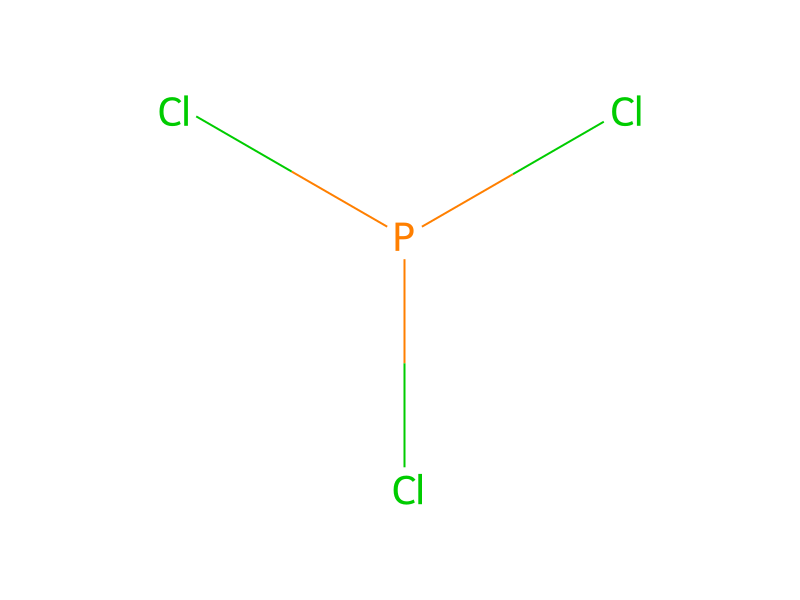

Product 2


Reagents, catalysts & solvents 1

Conditions
- Temperature
- 150 °C
Procedure
A suspension of 4-nitroanthranilic acid isobutyramide (4 g, 15.8 mmol), 4-chloroaniline (2.2 g, 17.2 mmol) and phosphorus trichloride (5.6 mL) in toluene (150 mL) is heated to reflux (bath temperature for 150° C.) for 2 hours. The reaction mixture is allowed to cool to room temperature and then evaporated to dryness. The residue is partitioned between water and EtOAc and the aqueous phase is extracted (2×) with EtOAc. The combined organic phases are washed with water, dried (Na2SO4) and evaporated in vacuo. Trituration with isopropyl ether provides the desired compound as a brown solid.
Workup
- temperatureis heated
- temperatureto cool to room temperature
- customevaporated to dryness
- customThe residue is partitioned between water and EtOAc
- extractionthe aqueous phase is extracted (2×) with EtOAc
- washThe combined organic phases are washed with water
- dry with materialdried (Na2SO4)
- customevaporated in vacuo
Sources & evidence
- ORD record
- ord-cba5ed846ff442358c2d71858667f57a
- Source dataset
- uspto-grants-2015_08
- Patent number
- US09102653B2
Reaction notes
Loading…