Dimethyl Sulfoxide → HCID 178438481, compound
Reaction equation

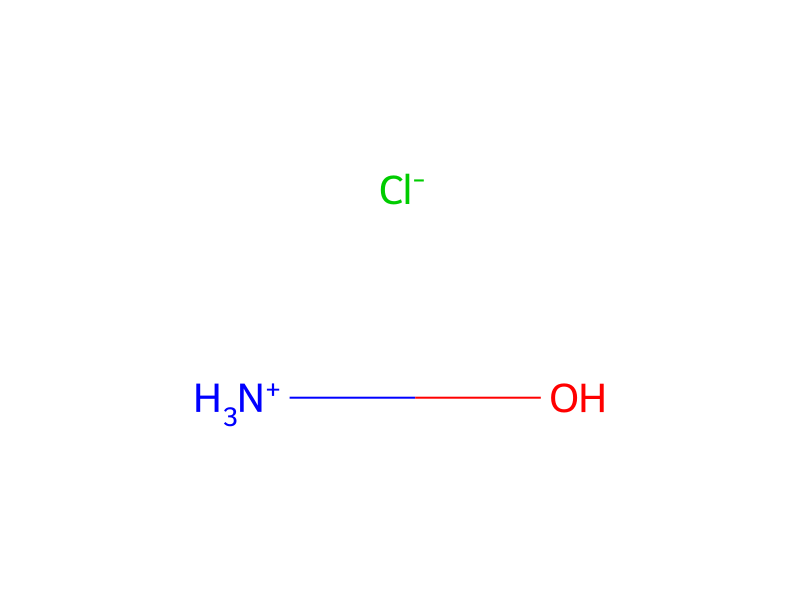
[Cl-].O[NH3+:3].[C:4](=[O:7])([O-])[OH:5].[Na+].CS(C)=O.[OH:13][C:14]([CH3:52])([CH3:51])[CH2:15][O:16][C@H:17]1[CH2:22][CH2:21][C@H:20]([N:23]2[C:28](=[O:29])[C:27]([CH2:30][C:31]3[CH:36]=[CH:35][C:34]([C:37]4[C:38]([C:43]#[N:44])=[CH:39][CH:40]=[CH:41][CH:42]=4)=[CH:33][CH:32]=3)=[C:26]([CH2:45][CH2:46][CH3:47])[N:25]3[N:48]=[CH:49][CH:50]=[C:24]23)[CH2:19][CH2:18]1>C(OCC)(=O)C.O>[OH:13][C:14]([CH3:51])([CH3:52])[CH2:15][O:16][C@H:17]1[CH2:22][CH2:21][C@H:20]([N:23]2[C:28](=[O:29])[C:27]([CH2:30][C:31]3[CH:36]=[CH:35][C:34]([C:37]4[CH:42]=[CH:41][CH:40]=[CH:39][C:38]=4[C:43]4[NH:3][C:4](=[O:7])[O:5][N:44]=4)=[CH:33][CH:32]=3)=[C:26]([CH2:45][CH2:46][CH3:47])[N:25]3[N:48]=[CH:49][CH:50]=[C:24]23)[CH2:19][CH2:18]1Participants






Conditions
- Temperature
- 50 °C
Procedure
A mixture of hydroxylammonium chloride (42 g), sodium hydrogen carbonate (61 g) and dimethyl sulfoxide (240 mL) was stirred at 50° C. for 30 min. 4′-({4-[trans-4-(2-Hydroxy-2-methylpropoxy)cyclohexyl]-5-oxo-7-propyl-4,5-dihydropyrazolo[1,5-a]pyrimidin-6-yl}methyl)biphenyl-2-carbonitrile (32 g) was added, and the mixture was stirred at 90° C. for 15 hr. The mixture was allowed to cool to room temperature, and the reaction mixture was diluted with ethyl acetate and water. After extraction with ethyl acetate, the organic layer was washed with brine, and dried over anhydrous magnesium sulfate. The solvent was evaporated under reduced pressure, and the residue was dissolved in tetrahydrofuran (300 mL). N,N′-Carbonyldiimidazole (11.5 g) and 1,8-diazabicyclo[5.4.0]undec-7-ene (10.6 mL) were successively added to the tetrahydrofuran solution mentioned above, and the mixture was stirred at room temperature for 2 hr. The reaction mixture was diluted with ethyl acetate, and 1 M hydrochloric acid was added. After extraction with ethyl acetate, the organic layer was successively washed with saturated aqueous sodium hydrogen carbonate and brine, and dried over anhydrous magnesium sulfate. The solvent was evaporated under reduced pressure, and the residue was purified by silica gel column chromatography to give the title compound as an amorphous solid. The solid was dissolved in acetone, and crystallized. The resulting solid was collected by filtration, washed with acetone, and dried under reduced pressure to give the title compound as a colorless solid (25.9 g, 73%).
Workup
- stirringthe mixture was stirred at 90° C. for 15 hr
- temperatureto cool to room temperature
- extractionAfter extraction with ethyl acetate
- washthe organic layer was washed with brine
- dry with materialdried over anhydrous magnesium sulfate
- customThe solvent was evaporated under reduced pressure
- dissolutionthe residue was dissolved in tetrahydrofuran (300 mL)
- additionN,N′-Carbonyldiimidazole (11.5 g) and 1,8-diazabicyclo[5.4.0]undec-7-ene (10.6 mL) were successively added to the tetrahydrofuran solution
- stirringwas stirred at room temperature for 2 hr
- additionThe reaction mixture was diluted with ethyl acetate, and 1 M hydrochloric acid
- additionwas added
- extractionAfter extraction with ethyl acetate
- washthe organic layer was successively washed with saturated aqueous sodium hydrogen carbonate and brine
- dry with materialdried over anhydrous magnesium sulfate
- customThe solvent was evaporated under reduced pressure
- customthe residue was purified by silica gel column chromatography
Sources & evidence
- ORD record
- ord-5400418d47c144d5bc353cf579cdcf4c
- Source dataset
- uspto-grants-2015_08
- Patent number
- US09115136B2
Reaction notes
Loading…