Acetonitrile → 2-(2-Ethylsulfanylphenyl)-4-propylamino-7-trifluoromethylquinazoline
Reaction equation

[CH2:1]([NH2:4])[CH2:2][CH3:3].Cl[C:6]1[C:15]2[C:10](=[CH:11][C:12]([C:16]([F:19])([F:18])[F:17])=[CH:13][CH:14]=2)[N:9]=[C:8]([C:20]2[CH:25]=[CH:24][CH:23]=[CH:22][C:21]=2[S:26][CH2:27][CH3:28])[N:7]=1.C(#N)C.C1COCC1>O>[CH2:27]([S:26][C:21]1[CH:22]=[CH:23][CH:24]=[CH:25][C:20]=1[C:8]1[N:7]=[C:6]([NH:4][CH2:1][CH2:2][CH3:3])[C:15]2[C:10](=[CH:11][C:12]([C:16]([F:17])([F:18])[F:19])=[CH:13][CH:14]=2)[N:9]=1)[CH3:28]Participants
6





Procedure
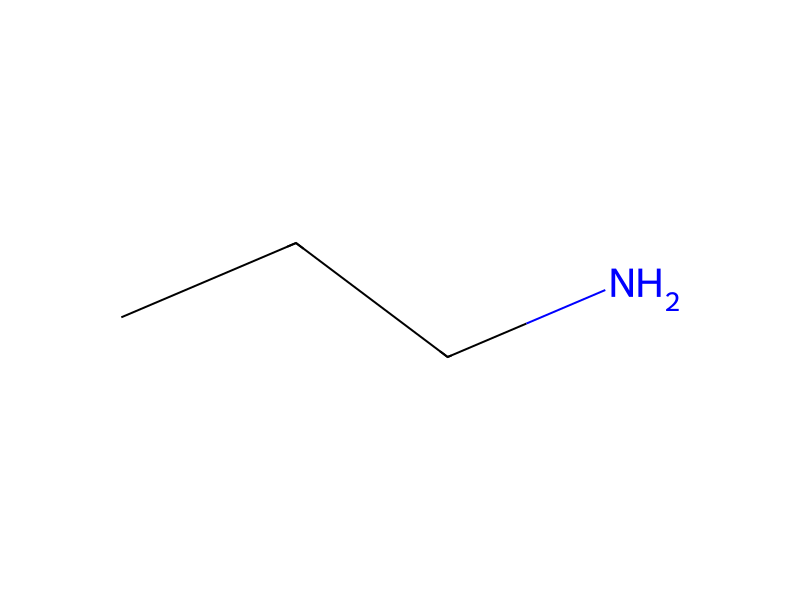
0.5 ml of n-propylamine was added to a mixture of 450 mg of 4-chloro-2-(2-ethylsulfanylphenyl)-7-trifluoromethylquinazoline, 3 ml of acetonitrile and 3 ml of THF, and the mixture was stirred at room temperature for 30 minutes. Water was added to the reaction mixture, and the mixture was extracted with ethyl acetate. The organic layer was washed with water and dried over anhydrous magnesium sulfate, and then concentrated under reduced pressure to obtain 495 mg of 2-(2-ethylsulfanylphenyl)-4-propylamino-7-trifluoromethylquinazoline (Compound of Present Invention 8).
Workup
- extractionthe mixture was extracted with ethyl acetate
- washThe organic layer was washed with water
- dry with materialdried over anhydrous magnesium sulfate
- concentrationconcentrated under reduced pressure
Sources & evidence
- ORD record
- ord-0b22ff0f4ece4e27a80bb6645afd3f0a
- Source dataset
- uspto-grants-2016_05
- Patent number
- US09328121B1
Reaction notes
Loading…