Diisopropylethylamine → 3-Chloro-N-methyl-6-isoquinolinecarboxamide
Reaction equation

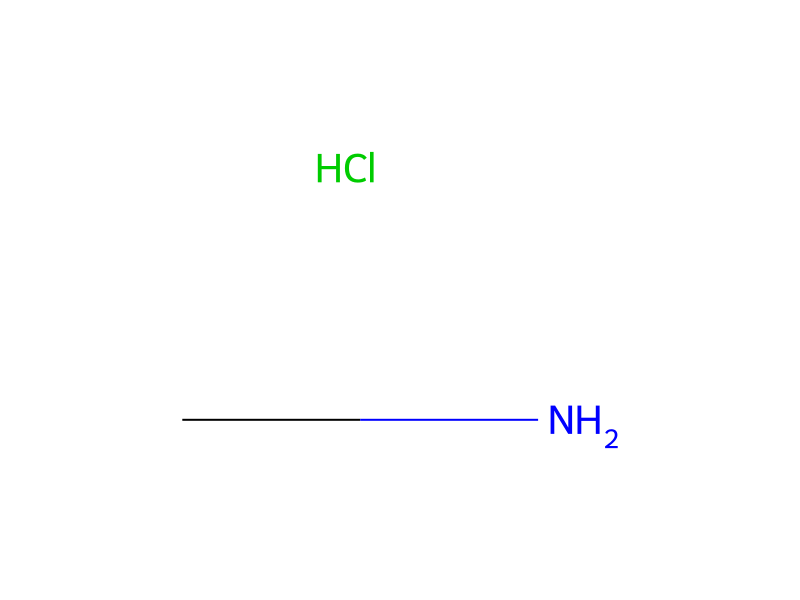
[CH3:1][N:2](C(ON1N=NC2C=CC=NC1=2)=[N+](C)C)C.F[P-](F)(F)(F)(F)F.[Cl:25][C:26]1[N:27]=[CH:28][C:29]2[C:34]([CH:35]=1)=[CH:33][C:32]([C:36]([OH:38])=O)=[CH:31][CH:30]=2.CCN(C(C)C)C(C)C.Cl.CN>CN(C=O)C>[Cl:25][C:26]1[N:27]=[CH:28][C:29]2[C:34]([CH:35]=1)=[CH:33][C:32]([C:36]([NH:2][CH3:1])=[O:38])=[CH:31][CH:30]=2Participants
6
Reactant 4



Product 1

Reagents, catalysts & solvents 1

Procedure
HATU (17.6 mg, 0.046 mmol) was added to a solution of 3-chloroisoquinoline-6-carboxylic acid (Preparation 54, 8 mg, 0.039 mmol), DIPEA (54 uL, 0.31 mmol) and methanamine hydrochloride (15.6 mg, 0.231 mmol) in DMF (4 mL) and the reaction was stirred for 18 hours. The reaction was partitioned between EtOAc and brine, the separated organic phase was washed with saturated NaHCO3 solution, citric acid and brine, dried over Na2SO4 and concentrated in vacuo to afford the title compound as yellow oil (5.2 mg, 61%).
Workup
- customThe reaction was partitioned between EtOAc and brine
- washthe separated organic phase was washed with saturated NaHCO3 solution, citric acid and brine
- dry with materialdried over Na2SO4
- concentrationconcentrated in vacuo
Sources & evidence
- ORD record
- ord-0ade811839ac4f67b956930f55d3869d
- Source dataset
- uspto-grants-2016_05
- Patent number
- US09334286B2
Reaction notes
Loading…