Water → 3-(4,6-Dimethylpyrimid-2-ylamino)propane-1,2-diol
Reaction equation

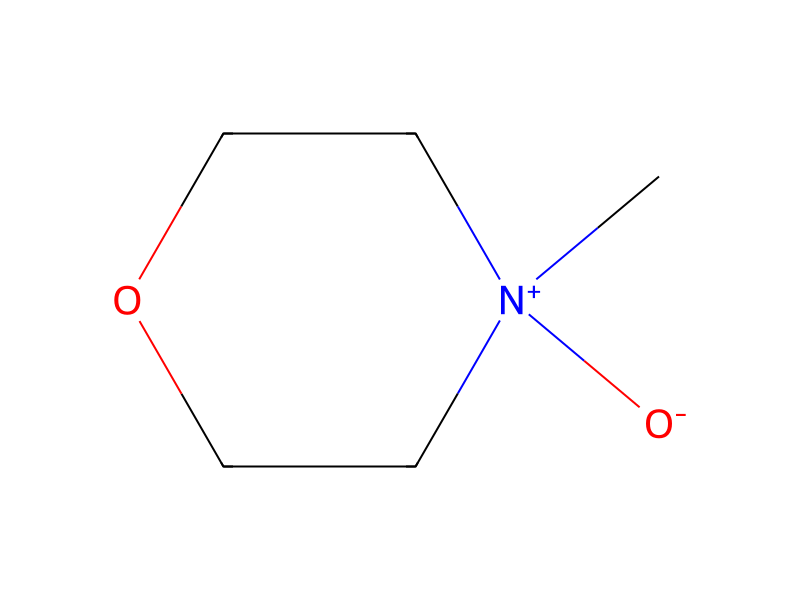
C[N+]1([O-])CC[O:5]CC1.[CH3:9][C:10]1[CH:15]=[C:14]([CH3:16])[N:13]=[C:12]([NH:17][CH2:18][CH:19]=[CH2:20])[N:11]=1.S([O-])(O)=O.[Na+].[OH2:26]>CC(C)=O.[Os](=O)(=O)(=O)=O>[CH3:16][C:14]1[CH:15]=[C:10]([CH3:9])[N:11]=[C:12]([NH:17][CH2:18][CH:19]([OH:5])[CH2:20][OH:26])[N:13]=1Participants
Reactant 4



Product 1

Reagents, catalysts & solvents 2


Procedure
N-methylmorpholine-N-oxide (64.0 g, 0.47 mol) and osmiumtetroxide (0.7 g, 2.75 mmol) were dissolved in a mixture of 180 ml water and 100 ml acetone. 1-(4,6-dimethylpyrimid-2-ylamino)-prop-2-ene (73.5 g, 0.45 mol) in 100 ml acetone was added over a period of 15 minutes. The mixture was stirred at room temperature for 1 hour and then warmed to 50° C. for 2 hours. 10 ml aqueous saturated sodium hydrogensulphite was then added together with 40 g of diatomaceous earth. After filtration the reaction mixture was evaporated to dryness and the residue extracted with dioxane/ethanol 2:1 (700 ml). Filtration from insoluble material and concentration of the solution in vacuum caused crystallisation of the product. Addition of toluene completed product precipitation, which was isolated by filtration (83 g, m.p. 124°-127° C.).
Workup
- temperaturewarmed to 50° C. for 2 hours
- filtrationAfter filtration the reaction mixture
- customwas evaporated to dryness
- extractionthe residue extracted with dioxane/ethanol 2:1 (700 ml)
- filtrationFiltration from insoluble material and concentration of the solution in vacuum
- customcrystallisation of the product
- additionAddition of toluene completed product precipitation
- customwhich was isolated by filtration (83 g, m.p. 124°-127° C.)
Sources & evidence
- ORD record
- ord-ba290f6afe534fd59b6ee6ad002bde38
- Source dataset
- uspto-grants-1997_04
- Patent number
- US05616708
Reaction notes
Loading…