2-Chlorobenzaldehyde → Ethyl 4-(2-chlorophenyl)-6-methyl-2-(thiazol-2-yl)-1,4-dihydropyrimidine-5-carboxylate
Reaction equation

Cl.[S:2]1[CH:6]=[CH:5][N:4]=[C:3]1[C:7](=[NH:9])[NH2:8].[Cl:10][C:11]1[CH:18]=[CH:17][CH:16]=[CH:15][C:12]=1[CH:13]=O.O=[C:20]([CH3:27])[CH2:21][C:22]([O:24][CH2:25][CH3:26])=[O:23]>>[Cl:10][C:11]1[CH:18]=[CH:17][CH:16]=[CH:15][C:12]=1[CH:13]1[C:21]([C:22]([O:24][CH2:25][CH3:26])=[O:23])=[C:20]([CH3:27])[NH:8][C:7]([C:3]2[S:2][CH:6]=[CH:5][N:4]=2)=[N:9]1Participants
4
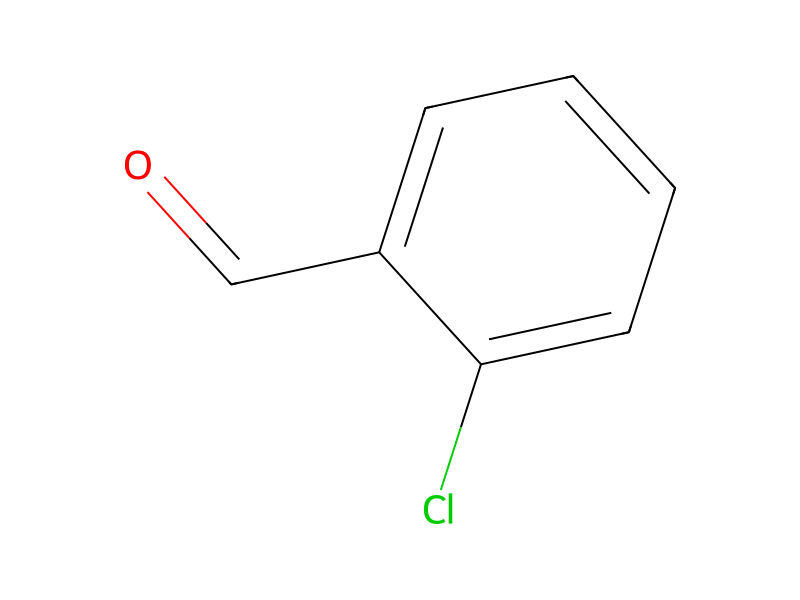


Procedure
Thiazole-2-carboximidamide hydrochloride (11.63 g, 71.1 mmol) was reacted with 2-chlorobenzaldehyde (10 g, 71.1 mmol) and ethyl 3-oxobutanoate (11.1 g, 85.3 mmol) according to the procedure as described in Example 1, Step A to give the title compound as a yellow solid (14.2 g, 55%). The compound was characterized by the following spectroscopic data:
Sources & evidence
- ORD record
- ord-20e8d0bf90024350afec12e92f972990
- Source dataset
- uspto-grants-2016_05
- Patent number
- US09340538B2
Reaction notes
Loading…