Water → Ethyl 2-ethoxy-3-(4-nitrophenyl)prop-2-enoate
Reaction equation

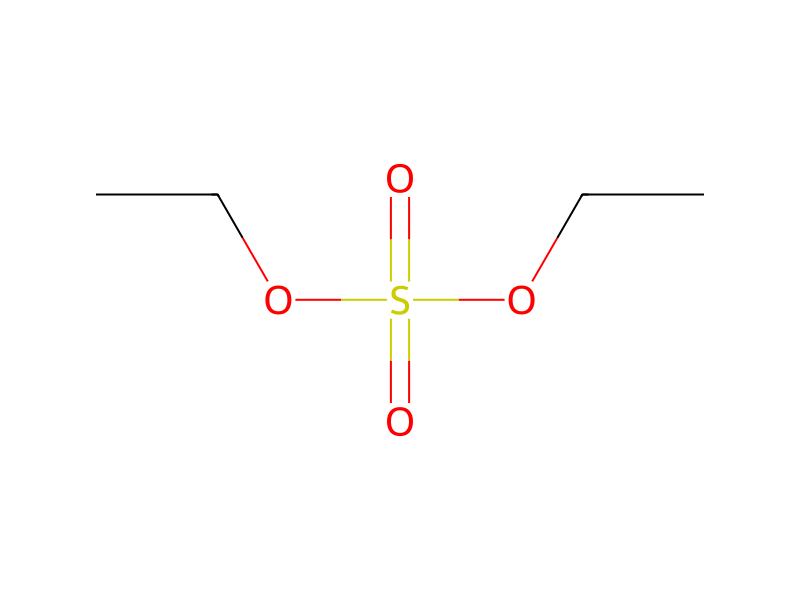
[OH:1][C:2](=[CH:6][C:7]1[CH:12]=[CH:11][C:10]([N+:13]([O-:15])=[O:14])=[CH:9][CH:8]=1)[C:3]([OH:5])=O.[C:16]([O-])([O-])=O.[Cs+].[Cs+].S(OCC)(O[CH2:26][CH3:27])(=O)=O.O.CN([CH:35]=[O:36])C>C(OCC)(=O)C>[CH2:26]([O:1][C:2](=[CH:6][C:7]1[CH:12]=[CH:11][C:10]([N+:13]([O-:15])=[O:14])=[CH:9][CH:8]=1)[C:3]([O:36][CH2:35][CH3:16])=[O:5])[CH3:27]Participants
7






Procedure
2-Hydroxy-3-(4-nitrophenyl)acrylic acid (20 g, 95.6 mmol) was suspended in DMF (200 ml). Cs2CO3 (74.9 g, 229.9 mmol) and diethyl sulphate (26.3 ml, 201 mmol) were added and dissolution was observed. After stirring for 18 hr at 18° C. water (350 ml) and ethyl acetate (250 ml) were added and the layers separated. The aqueous layer was further extracted with ethyl acetate (5×200 ml) then the combined organics were washed with water (2×200 ml), brine (2×200 ml) and dried over magnesium sulfate. The organics were concentrated to dryness to obtain ethyl 2-ethoxy-3-(4-nitrophenyl)-acrylate as an orange solid containing 3.6% by mass DMF (27.6 g wet, >100% yield).
Workup
- dissolutiondissolution
- additionwere added
- customthe layers separated
- extractionThe aqueous layer was further extracted with ethyl acetate (5×200 ml)
- washthe combined organics were washed with water (2×200 ml), brine (2×200 ml)
- dry with materialdried over magnesium sulfate
- concentrationThe organics were concentrated to dryness
Sources & evidence
- ORD record
- ord-6658ae0cc6c04fbc8b87ebe8d9997ea3
- Source dataset
- uspto-grants-2016_05
- Patent number
- US09345680B2
Reaction notes
Loading…