Sodium Iodide → HCID 178458767, compound
Reaction equation

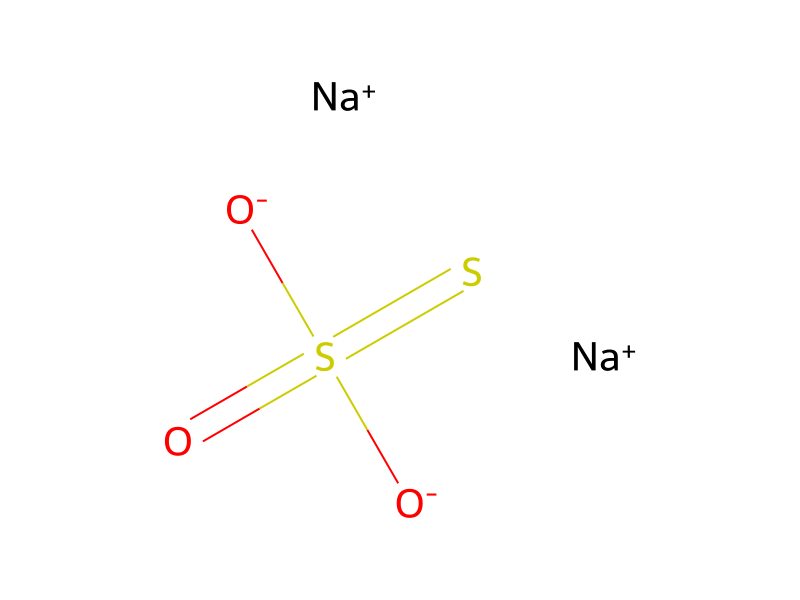
[OH:1][C:2]1[C:11]2[C:6](=[CH:7][CH:8]=[C:9]([O:12]C)[N:10]=2)[N:5]=[CH:4][C:3]=1[C:14](=[O:17])[CH2:15][CH3:16].C[Si](Cl)(C)C.[I-].[Na+].S([O-])([O-])(=O)=S.[Na+].[Na+]>C(#N)C>[OH:1][C:2]1[C:11]2[C:6](=[CH:7][CH:8]=[C:9]([OH:12])[N:10]=2)[N:5]=[CH:4][C:3]=1[C:14](=[O:17])[CH2:15][CH3:16]Participants
Reactant 4



Product 1

Reagents, catalysts & solvents 1

Procedure
To a suspension of 1-(4-hydroxy-6-methoxy-1,5-naphthyridin-3-yl)propan-1-one (5.2 g, 22.4 mmol) in acetonitrile (100 ml) was added trimethylsilylchloride (12 g, 112 mmol) and sodium iodide (10 g, 67 mmol) and the reaction mixture was heated at reflux for 16 h. The reaction mixture was cooled to room temperature and satd. aq. sodium thiosulfate was added. The mixture was concentrated to remove acetonitrile, diluted with brine and the solids were filtered and dried to provide the intermediate 1-(4,6-dihydroxy-1,5-naphthyridin-3-yl)propan-1-one. This intermediate was suspended in dichloroethane (10 mL) followed by the addition of phosphorus oxychloride (10 mL) and catalytic N,N-dimethylformamide and the reaction mixture was stirred with heat at 80° C. for 2 h. The reaction mixture was cooled to room temperature and quenched by pouring slowly into ice-cold satd. aq. sodium bicarbonate or 3 N sodium hydroxide. The quenched reaction mixture was concentrated to remove the dichloroethane and the resulting solids were collected by filtration and purified by chromatography (silica, hexanes/ethyl acetate) to provide the desired product (3.2 g, 56% over 2 steps) as a brown solid: ESI MS m/z 255 [M+H]+.
Workup
- temperaturethe reaction mixture was heated
- temperatureat reflux for 16 h
- concentrationThe mixture was concentrated
- customto remove acetonitrile
- additiondiluted with brine
- filtrationthe solids were filtered
- customdried
Sources & evidence
- ORD record
- ord-338ddefa443b49dba914f67fdcdf8403
- Source dataset
- uspto-grants-2016_05
- Patent number
- US09345709B2
Reaction notes
Loading…