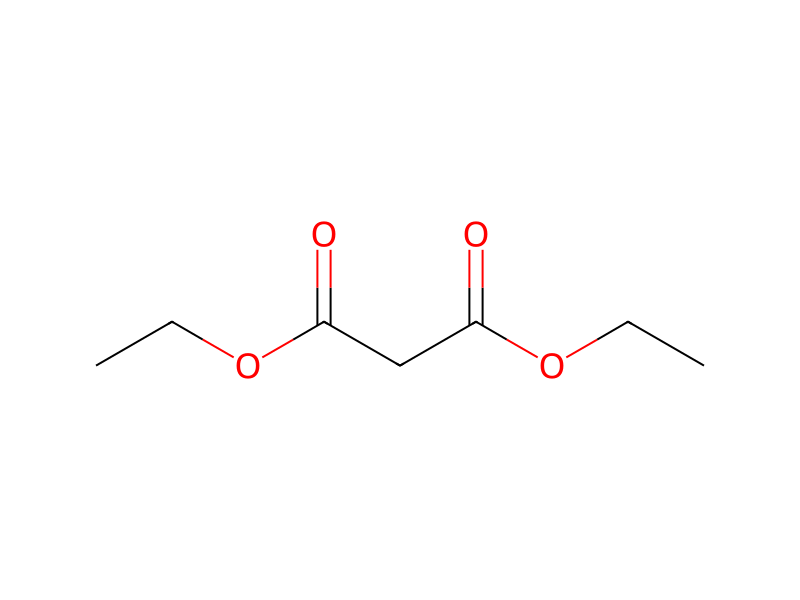
Diethyl Malonate → diethyl 2-[(4-nitrophenyl)methyl]propanedioate
Reaction equation

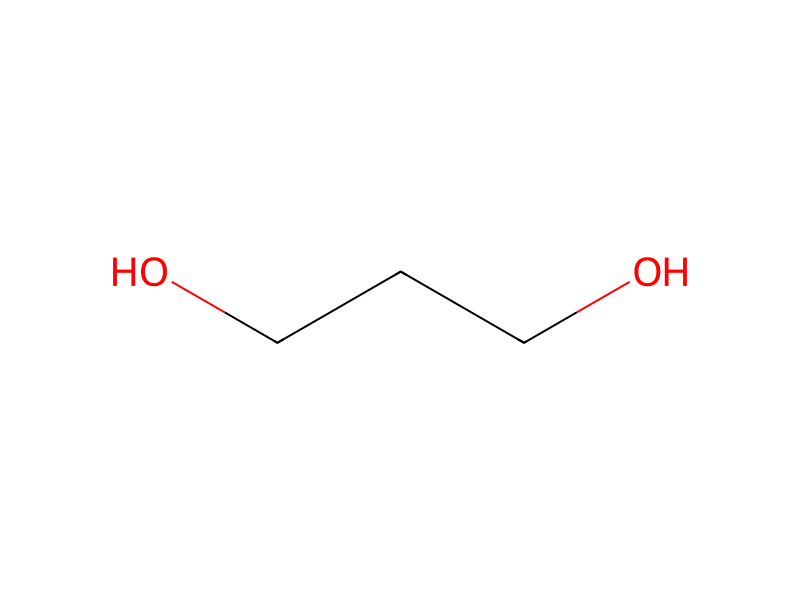
C(O)CCO.CC1C=CC(S(OCC(CC2C=CC([N+]([O-])=O)=CC=2)COS(C2C=CC(C)=CC=2)(=O)=O)(=O)=O)=CC=1.[N+:41]([C:44]1[CH:51]=[CH:50][C:47]([CH2:48]Br)=[CH:46][CH:45]=1)([O-:43])=[O:42].[C:52]([O:60][CH2:61][CH3:62])(=[O:59])[CH2:53][C:54]([O:56][CH2:57][CH3:58])=[O:55].C([O-])([O-])=O.[K+].[K+]>CC(C)=O>[N+:41]([C:44]1[CH:51]=[CH:50][C:47]([CH2:48][CH:53]([C:54]([O:56][CH2:57][CH3:58])=[O:55])[C:52]([O:60][CH2:61][CH3:62])=[O:59])=[CH:46][CH:45]=1)([O-:43])=[O:42]Participants




Procedure
Although PCB-TE2A is a good chelator having an octahedral coordination site with metals like Cu, one of its two pendant arms has to be sacrificed whenever it is conjugated with biomolecules. To keep intact the octahedral coordination structure while allowing further conjugation with biomolecules, introduction of an extra functional group in the backbone is necessary. For this purpose, the inventors have synthesized a suitably tailored nitro-derivative of ditosyl ester of 1,3-propanediol, 25. The precursor was used for the construction of propylene bridge having one extra functionality. The inventors have designed the compound 25 and performed synthesis by condensation of 1 equiv. of 4-nitrobenzyl bromide with 7 equivalent of diethyl malonate in the presence of K2CO3 in acetone to give 23 in 88% yield (Scheme 6). In this reaction a mild base rather than metal alkoxide and excess of diethyl malonate were used in order to prevent the formation of dialkylate product. The diethyl-2-[(4-nitrophenyl)methyl]propanedioate 23 was reduced with sodium borohydride to afford the diol compound 24 in 85% yield. The diol 24 was tosylated by tosyl chloride in pyridine to afford the precursor 25 in 89% yield. According to Scheme 6,2-[(4-nitrophenyl)methyl]propan-1,3-diol bis(4-methylbenzene-sulfonate) (25) was prepared in high overall yield (66%).
Workup
- customsynthesis
Sources & evidence
- ORD record
- ord-1f33610c350b423bb7e79583d17b7a4e
- Source dataset
- uspto-grants-2016_05
- Patent number
- US09353120B2
Reaction notes
Loading…