Dichloromethane → HCID 67772997, compound
Reaction equation

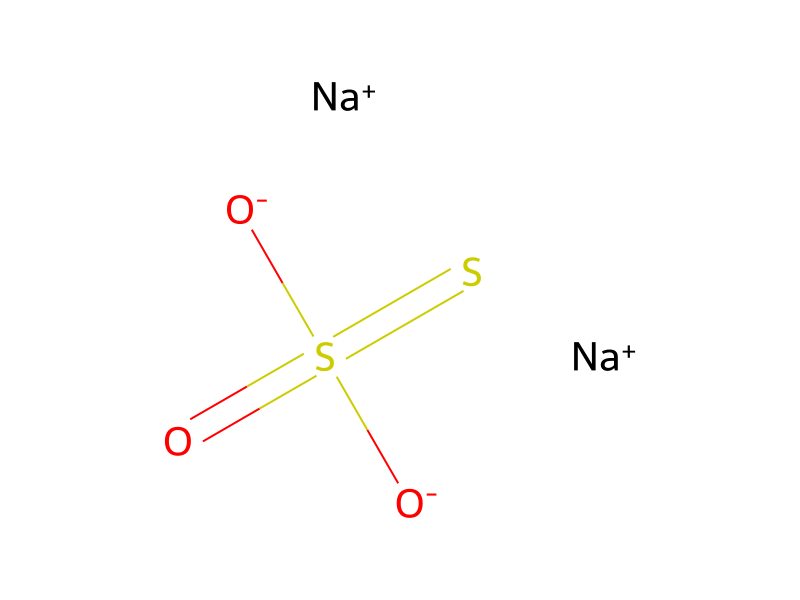
ClC1C=CC=C(C(OO)=[O:9])C=1.[F:12][C:13]1[CH:18]=[C:17]([F:19])[CH:16]=[C:15]([F:20])[C:14]=1[C:21]1[C:30]2[C:25](=[CH:26][CH:27]=[C:28]([C:31]([O:33][CH3:34])=[O:32])[CH:29]=2)[N:24]=[CH:23][CH:22]=1.ClCCl>S([O-])([O-])(=O)=S.[Na+].[Na+]>[F:12][C:13]1[CH:18]=[C:17]([F:19])[CH:16]=[C:15]([F:20])[C:14]=1[C:21]1[C:30]2[C:25](=[CH:26][CH:27]=[C:28]([C:31]([O:33][CH3:34])=[O:32])[CH:29]=2)[N+:24]([O-:9])=[CH:23][CH:22]=1Participants
5
Reactant 3



Product 1

Reagents, catalysts & solvents 1
Procedure
m-Chloroperbenzoic acid (425 mg) was added to a mixture of methyl 4-(2,4,6-trifluorophenyl)quinoline-6-carboxylate (710 mg) and dichloromethane (20 mL), followed by stirring at room temperature for 3 days. The reaction mixture was diluted with aqueous sodium thiosulfate solution, and extracted with chloroform. The organic layer was washed with water, dried, and concentrated under reduced pressure to obtain methyl 4-(2,4,6-trifluorophenyl)quinoline-6-carboxylate 1-oxide (680 mg).
Workup
- extractionextracted with chloroform
- washThe organic layer was washed with water
- customdried
- concentrationconcentrated under reduced pressure
Sources & evidence
- ORD record
- ord-74ff27a7f6154e138f23ae6504333fa7
- Source dataset
- uspto-grants-2014_10
- Patent number
- US08853242B2
Reaction notes
Loading…