Hydrochloric Acid → N-(2-hydroxy-5-trifluoromethylphenyl)-2-methylsulfanylbenzamide
Reaction equation

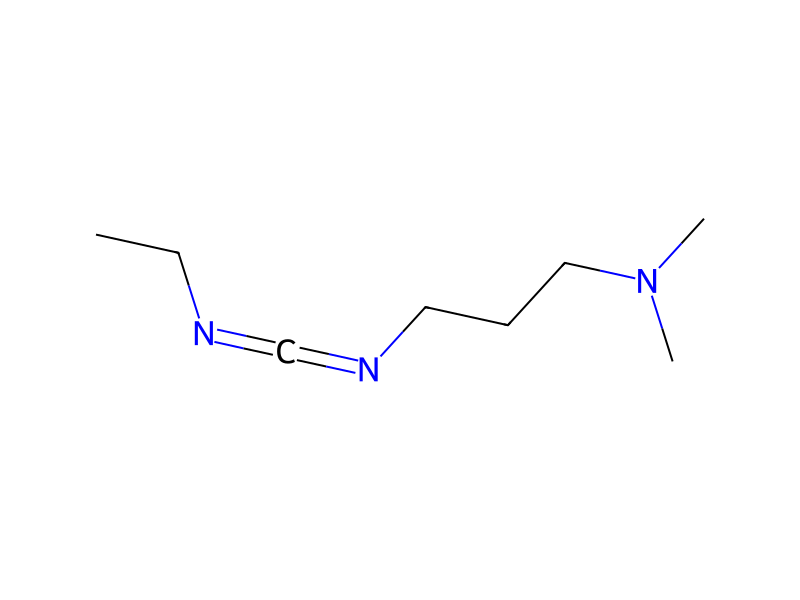
[NH2:1][C:2]1[CH:7]=[C:6]([C:8]([F:11])([F:10])[F:9])[CH:5]=[CH:4][C:3]=1[OH:12].[CH3:13][S:14][C:15]1[CH:23]=[CH:22][CH:21]=[CH:20][C:16]=1[C:17](O)=[O:18].CCN=C=NCCCN(C)C.Cl>N1C=CC=CC=1>[OH:12][C:3]1[CH:4]=[CH:5][C:6]([C:8]([F:9])([F:10])[F:11])=[CH:7][C:2]=1[NH:1][C:17](=[O:18])[C:16]1[CH:20]=[CH:21][CH:22]=[CH:23][C:15]=1[S:14][CH3:13]Participants
6
Reactant 4



Product 1

Reagents, catalysts & solvents 1

Conditions
- Temperature
- 80 °C
Procedure
A mixture of 2-amino-4-trifluoromethylphenol (1.00 g), 2-methylsulfanylbenzoic acid (0.95 g), WSC (1.41 g), and pyridine (10 ml) was stirred with heating at 80° C. for 2.5 hours. Into the reaction mixture cooled to room temperature, 1 mol/l of hydrochloric acid was poured, and extracted with ethyl acetate. The organic layer was washed with saturated aqueous sodium hydrogen carbonate solution, water, and saturated brine, sequentially, dried over sodium sulfate, and concentrated under reduced pressure. The resulting residue was subjected to silica gel column chromatography to give 0.33 g of N-(2-hydroxy-5-trifluoromethylphenyl)-2-methylsulfanyl-benzamide (Compound (1B)-515).
Workup
- temperatureInto the reaction mixture cooled to room temperature
- extractionextracted with ethyl acetate
- washThe organic layer was washed with saturated aqueous sodium hydrogen carbonate solution, water, and saturated brine
- dry with materialsequentially, dried over sodium sulfate
- concentrationconcentrated under reduced pressure
Sources & evidence
- ORD record
- ord-585be8751ff34f64aea5f0f82ffe1a56
- Source dataset
- uspto-grants-2014_10
- Patent number
- US08853238B2
Reaction notes
Loading…