Ammonia → HCID 178508198, compound
Reaction equation

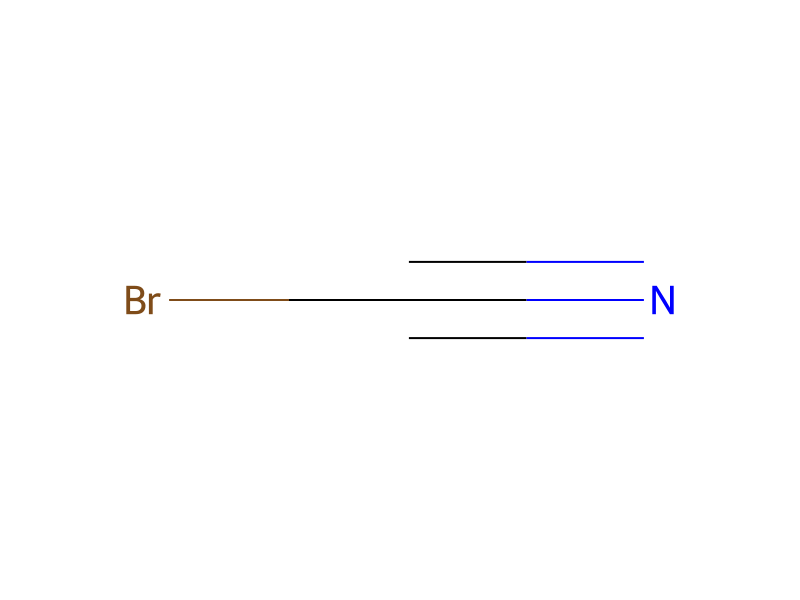
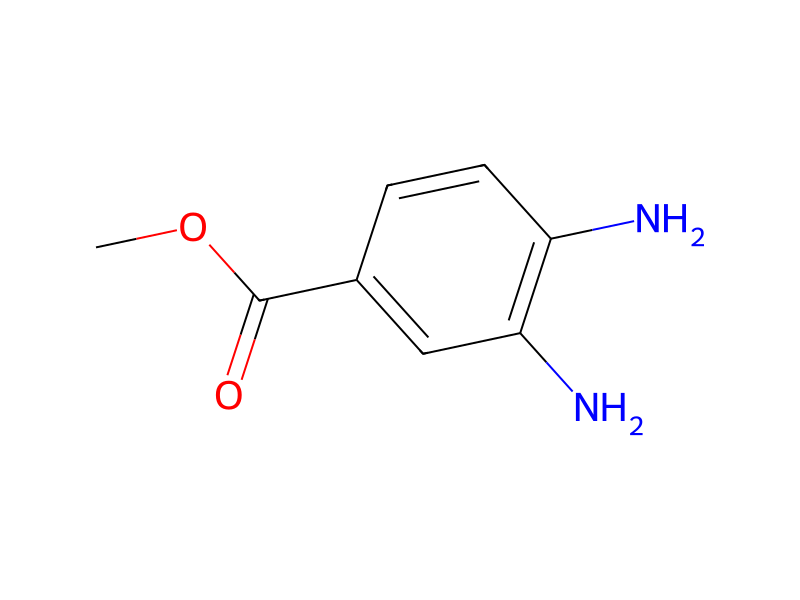
[N:1]#[C:2]Br.[NH2:4][C:5]1[CH:6]=[C:7]([CH:12]=[CH:13][C:14]=1[NH2:15])[C:8]([O:10]C)=[O:9].N.Cl>O.C(OCC)(=O)C>[NH2:1][C:2]1[NH:15][C:14]2[CH:13]=[CH:12][C:7]([C:8]([OH:10])=[O:9])=[CH:6][C:5]=2[N:4]=1Participants
7





Procedure
A solution of cyanogen bromide (5.0 mL, 5 M in acetonitrile, 25 mmol) was added to a mixture of methyl 3,4-diaminobenzoate (3.0 g, 18 mmol) in water (50 mL). The reaction was stirred at room temperature overnight. Aqueous ammonia (20 mL) and ethyl acetate (100 mL) were added to the reaction mixture and the layers were separated. The organics were dried over sodium sulfate, filtered, and concentrated. To the crude residue was added 2 N aqueous hydrochloric acid (18 mL, 36.0 mmol) and the mixture was heated at reflux overnight. The reaction was concentrated to give the title compound (2.90 g, 97%). 1H NMR (400 MHz, DMSO-d6, δ): 8.75 (s, 2H), 7.84 (s, 1H), 7.77 (dd, J=1.2, 8.4 Hz, 1H), 7.38 (d, J=8.4 Hz, 1H).
Workup
- customthe layers were separated
- dry with materialThe organics were dried over sodium sulfate
- filtrationfiltered
- concentrationconcentrated
- temperaturethe mixture was heated
- temperatureat reflux overnight
- concentrationThe reaction was concentrated
Sources & evidence
- ORD record
- ord-291544cc1c024d82b1b40d8524b86025
- Source dataset
- uspto-grants-2014_10
- Patent number
- US08859773B2
Reaction notes
Loading…