Hydrochloric Acid → HCID 178527725, compound
Reaction equation

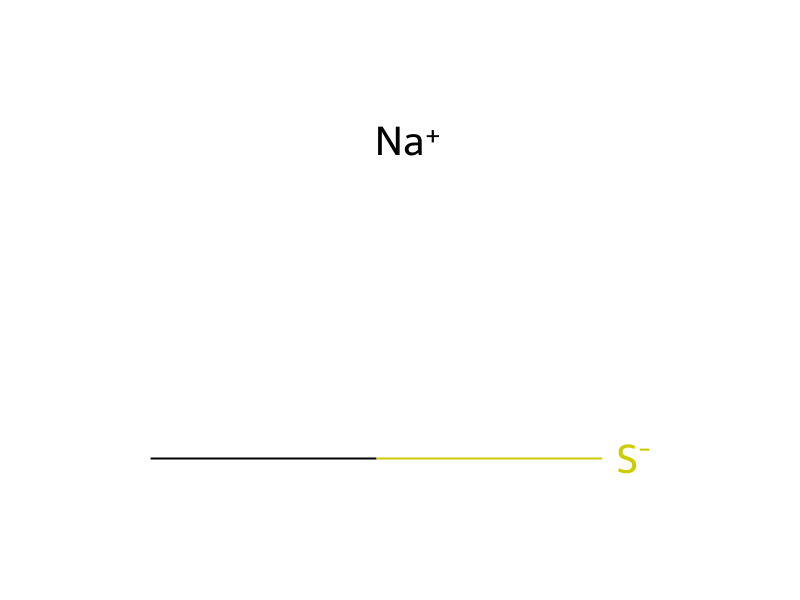
Cl[C:2]1[C:11]2[C:6](=[CH:7][CH:8]=[CH:9][CH:10]=2)[N:5]=[C:4]([N:12]2[CH2:18][CH2:17][CH2:16][C:15]3[CH:19]=[CH:20][CH:21]=[CH:22][C:14]=3[CH2:13]2)[CH:3]=1.C[S-:24].[Na+].Cl>CN(C)C=O.O>[CH2:13]1[C:14]2[CH:22]=[CH:21][CH:20]=[CH:19][C:15]=2[CH2:16][CH2:17][CH2:18][N:12]1[C:4]1[CH:3]=[C:2]([SH:24])[C:11]2[C:6](=[CH:7][CH:8]=[CH:9][CH:10]=2)[N:5]=1Participants
Reactant 3


Product 1

Reagents, catalysts & solvents 2


Conditions
- Temperature
- 50 °C
Procedure
A mixture of 2-(4-chloroquinolin-2-yl)-2,3,4,5-tetrahydro-1H-2-benzazepine (2 g, 6.47 mmol) and sodium thiomethoxide (2.4 g, 34 mmol) in dry N,N-dimethylformamide (20 mL) was heated with stirring overnight under reflux. The reaction mixture was cooled to 50° C. and the volatile components were evaporated under reduced pressure to give a residue which was dissolved in 30 mL of chilled water and carefully acidified with 20% hydrochloride aid to pH 4-5 under argon. The resultant solution was extracted with chilled dichloromethane (30 mL×3). The dichloromethane fractions were combined and washed with chilled brine (30 mL×2) and then concentrated under reduced pressure at room temperature to give the crude product. It was used in next step without further purification.
Workup
- temperaturewas heated
- temperatureunder reflux
- customthe volatile components were evaporated under reduced pressure
- customto give a residue which
- extractionThe resultant solution was extracted with chilled dichloromethane (30 mL×3)
- washwashed with chilled brine (30 mL×2)
- concentrationconcentrated under reduced pressure at room temperature
Sources & evidence
- ORD record
- ord-13e6c18dc96842c194b7f82a0d51ec62
- Source dataset
- uspto-grants-2014_10
- Patent number
- US08871756B2
Reaction notes
Loading…