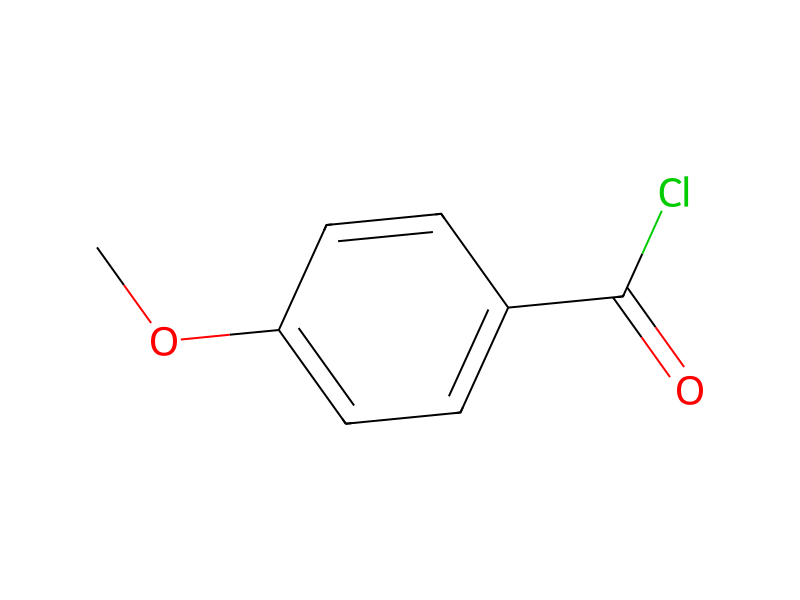
p-Anisoyl chloride → HCID 54596826, compound
Reaction equation

[CH3:1][C@H:2]1[CH2:6][CH2:5][CH2:4][N:3]1[C@H:7]1[CH2:11][CH2:10][N:9]([C:12]2[CH:13]=[C:14]3[C:19](=[CH:20][CH:21]=2)[CH2:18][NH:17][CH2:16][CH2:15]3)[CH2:8]1.[CH3:22][O:23][C:24]1[CH:32]=[CH:31][C:27]([C:28](Cl)=[O:29])=[CH:26][CH:25]=1.C(N(CC)CC)C>C(Cl)Cl>[CH3:22][O:23][C:24]1[CH:32]=[CH:31][C:27]([C:28]([N:17]2[CH2:16][CH2:15][C:14]3[C:19](=[CH:20][CH:21]=[C:12]([N:9]4[CH2:10][CH2:11][C@H:7]([N:3]5[CH2:4][CH2:5][CH2:6][C@@H:2]5[CH3:1])[CH2:8]4)[CH:13]=3)[CH2:18]2)=[O:29])=[CH:26][CH:25]=1Participants
5




Procedure
To a solution of 6-((2S,3′S)-2-Methyl-[1,3′]bipyrrolidinyl-1′-yl)-1,2,3,4-tetrahydro-isoquinoline in DCM (7 mL) was added 4-Methoxy-benzoyl chloride in DCM, followed by triethylamine. The reaction was quenched with aq. NaHCO3 and DCM work up. The crude product was purified on a silica gel column to obtain the title compound.
Workup
- customThe reaction was quenched with aq. NaHCO3 and DCM
- customThe crude product was purified on a silica gel column
Sources & evidence
- ORD record
- ord-532e97e25dc94c44890c5248a02e48a2
- Source dataset
- uspto-grants-2014_10
- Patent number
- US08871788B2
Reaction notes
Loading…