Acetone → O-Cresol
Reaction equation

[OH2:1].CC(C)=[O:4].C1C=CC=CC=1.[C:12]1([CH3:19])[C:13]([CH3:18])=[CH:14][CH:15]=[CH:16][CH:17]=1>C1(=O)OC(=O)C=C1.N1C=CC=CC=1.C(Cl)(Cl)Cl>[C:12]1([CH3:19])[C:13]([OH:4])=[CH:14][CH:15]=[CH:16][CH:17]=1.[C:12]1([OH:1])([CH3:19])[CH:17]=[CH:16][CH:15]=[CH:14][CH:13]1[CH3:18]Participants
Reactant 4




Product 2
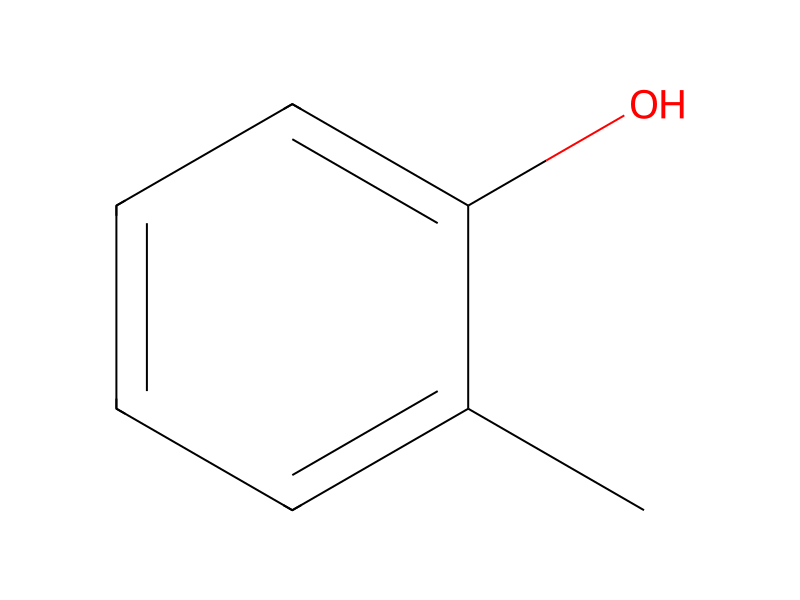

Reagents, catalysts & solvents 3



Procedure
The resinous or gelous materials which were formed from phenol, hydroquinone, or p-benzoquinone by the reactions in Example 1 described above were practically insoluble not only in hot water but also in solvents such as acetone, benzene, xylene, chloroform, and pyridine, and were insoluble in molten maleic anhydride at 150° C. Incidentally, the resinous or gelatinous materials which were formed from cresol or xylenol were insoluble in hot water, but soluble in solvents such as acetone. These resinous or gelous materials showed considerable adhesiveness, and it may be readily presumed that once resinous materials are formed in and deposited on the apparatus, they will cause to bring scales by a rapid formation of fumaric acid and will result cloggings of apparatuses and pipes.
Sources & evidence
- ORD record
- ord-83335a1872b2448bbd28167bde7a3218
- Source dataset
- uspto-grants-1987_04
- Patent number
- US04658042
Reaction notes
Loading…