L-Aspartic Acid → N-(Benzyloxycarbonyl)aspartic acid
Reaction equation

[Na].[NH2:2][C@H:3]([C:8]([OH:10])=[O:9])[CH2:4][C:5]([OH:7])=[O:6].[CH2:11]([O:18][C:19](Cl)=[O:20])[C:12]1[CH:17]=[CH:16][CH:15]=[CH:14][CH:13]=1.C(OC(N[C@H](C(N[C@H](C(O)=O)CC(O)=O)=O)CC(=O)O)=O)C1C=CC=CC=1.[OH-].[Na+]>O>[CH2:11]([O:18][C:19]([NH:2][C@H:3]([C:8]([OH:10])=[O:9])[CH2:4][C:5]([OH:7])=[O:6])=[O:20])[C:12]1[CH:17]=[CH:16][CH:15]=[CH:14][CH:13]=1Participants

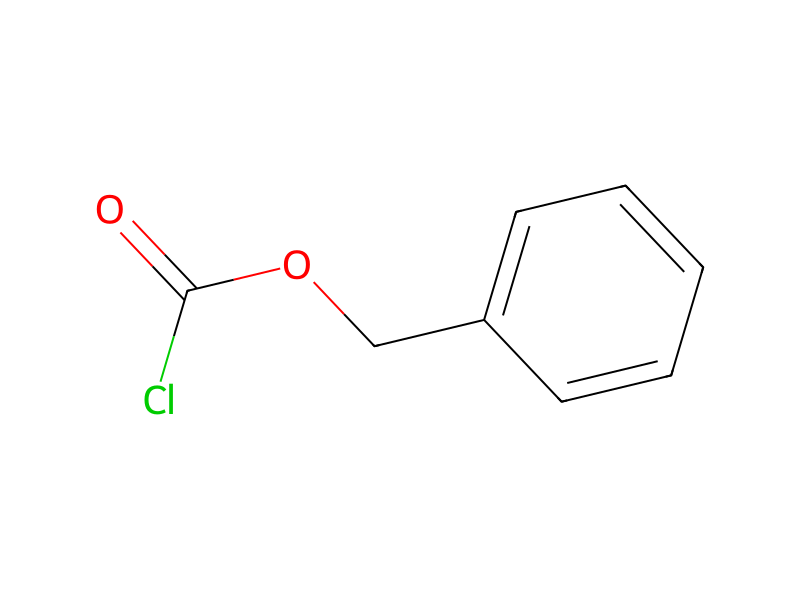





Conditions
- Temperature
- 85 °C
Procedure
731 grams of 96.4% N-benzyloxycarbonyl aspartic acid, which was prepared byreaction of the sodium salt of L-aspartic acid with benzylchloroformate at a pH of about 11.3, and which contained about 0.44 weight percent of N-benzyloxycarbonyl aspartyl aspartic acid was added to 2000 grams of tap water at room temperature. To this solution were slowly added 300 milliliters of 50% sodium hydroxide. The temperature and pH of the slurry rose from about 22° C. and 2.19 to 55° C. and 11.3 respectively. The resulting alkaline solution was then heated to 85° C. During the first 20 minutes of heating, the pH of the alkaline solution dropped to about 9.9. The pH was raised by the addition of 20 milliliters of additional 50% sodium hydroxide to the alkaline solution and the solution stirred for 30 minutes until the pH appeared to stabilize at 10.42, measured at 85° C.
Workup
- customrose from about 22° C. and 2.19 to 55° C.
- temperatureDuring the first 20 minutes of heating
- additionthe pH of the alkaline solution dropped to about 9.9
- custommeasured at 85° C.
Sources & evidence
- ORD record
- ord-0eeb7700459443d3af6f2b8410683515
- Source dataset
- uspto-grants-1984_05
- Patent number
- US04450284
Reaction notes
Loading…