Hydrochloric Acid → HCID 57440925, compound
Reaction equation

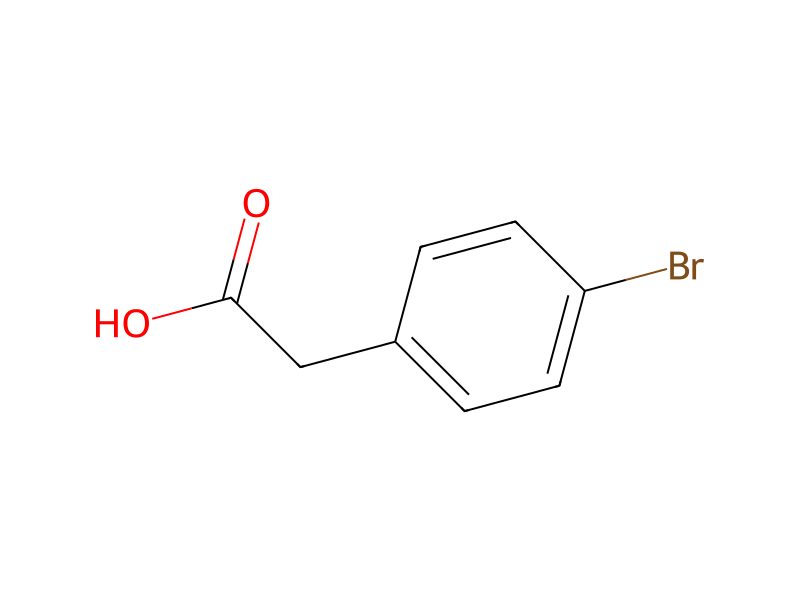
[N+:1]([C:4]1[CH:11]=[C:10]([Cl:12])[CH:9]=[CH:8][C:5]=1[CH:6]=O)([O-:3])=[O:2].[Br:13][C:14]1[CH:19]=[CH:18][C:17]([CH2:20][C:21]([OH:23])=[O:22])=[CH:16][CH:15]=1.C(OC(=O)C)(=O)C.C(=O)([O-])[O-].[K+].[K+].Cl>O>[Br:13][C:14]1[CH:15]=[CH:16][C:17](/[C:20](=[CH:6]\[C:5]2[CH:8]=[CH:9][C:10]([Cl:12])=[CH:11][C:4]=2[N+:1]([O-:3])=[O:2])/[C:21]([OH:23])=[O:22])=[CH:18][CH:19]=1Participants






Conditions
- Temperature
- 100 °C
Procedure
A 2 L flask equipped with a mechanical stirrer was charged with 183 g of 2-nitro-4-chlorobenzaldehyde, 212 g of 4-bromophenylacetic acid and 233 mL of acetic anhydride. To this solution was added 82 g of potassium carbonate and the reaction was stirred overnight at 100° C. The resulting dark mixture was cooled down to room temperature and 1.6 L of water was added followed by 800 mL of 10% HCl. The solution was decanted and taken up in water/ethyl acetate. Layers were separated, organic phase was washed with brine, dried over magnesium sulphate and volatiles were removed under reduced pressure. The residue was triturated in EtOH and the mother liquor was triturated 4 more times with EtOH to afford 219 g of the desired (2E)-2-(4-bromophenyl)-3-(4-chloro-2-nitrophenyl)acrylic acid.
Workup
- customA 2 L flask equipped with a mechanical stirrer
- temperatureThe resulting dark mixture was cooled down to room temperature
- customThe solution was decanted
- customLayers were separated
- washorganic phase was washed with brine
- dry with materialdried over magnesium sulphate and volatiles
- customwere removed under reduced pressure
- customThe residue was triturated in EtOH
- customthe mother liquor was triturated 4 more times with EtOH
Sources & evidence
- ORD record
- ord-eea4f2219de747519cbcd53cddf64dd8
- Source dataset
- uspto-grants-2011_05
- Patent number
- US07943649B2
Reaction notes
Loading…