3,5-Dibromophenol → 1,3-Dibromo-5-(cyclopropylmethoxy)benzene
Reaction equation

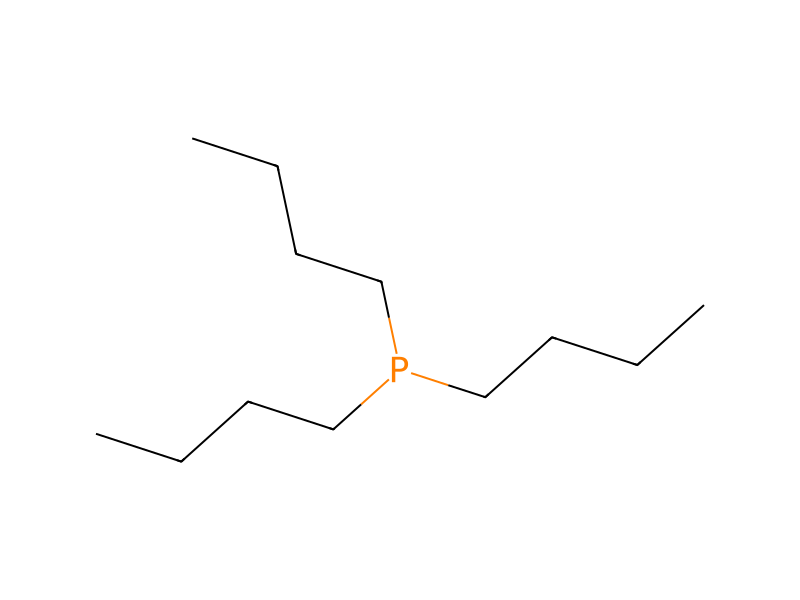
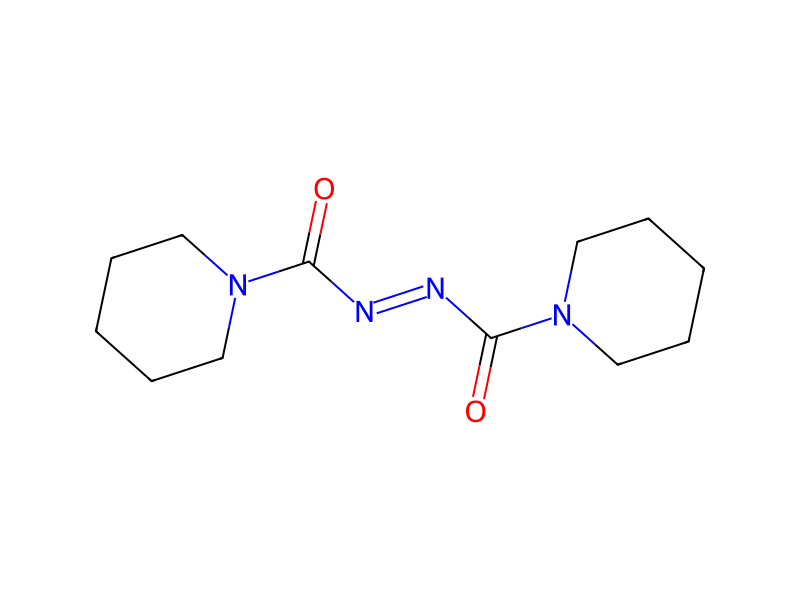
[Br:1][C:2]1[CH:3]=[C:4]([OH:9])[CH:5]=[C:6]([Br:8])[CH:7]=1.[CH:10]1([CH2:13]O)[CH2:12][CH2:11]1.C(P(CCCC)CCCC)CCC.N(C(N1CCCCC1)=O)=NC(N1CCCCC1)=O>C1COCC1>[Br:1][C:2]1[CH:3]=[C:4]([O:9][CH2:13][CH:10]2[CH2:12][CH2:11]2)[CH:5]=[C:6]([Br:8])[CH:7]=1Participants
6




Procedure
3,5-Dibromo-phenol (5 g; 19.9 mmol), cyclopropylcarbinol (1.4 g; 19.9 mmol) and tributylphosphine (8.8 mL; 35.7 mmol) were dissolved in THF (500 mL) in a dried reaction flask under an atmosphere of nitrogen. 1,1′-(Azodicarbonyl)dipiperidine (9.0 g; 35.7 mmol) dissolved in THF (100 mL) was added to the reaction mixture, which was stirred at room temperature for 16 hours. The reaction mixture was partly evaporated, filtered, evaporated to dryness and purified by flash chromatography (ethyl acetate:heptane 0:1→1:10). Yield: 5.45 g; 90%.
Workup
- additionwas added to the reaction mixture, which
- customThe reaction mixture was partly evaporated
- filtrationfiltered
- customevaporated to dryness
- custompurified by flash chromatography (ethyl acetate:heptane 0:1→1:10)
Sources & evidence
- ORD record
- ord-2738e4425455432c98692b32239871e1
- Source dataset
- uspto-grants-2011_05
- Patent number
- US07943669B2
Reaction notes
Loading…