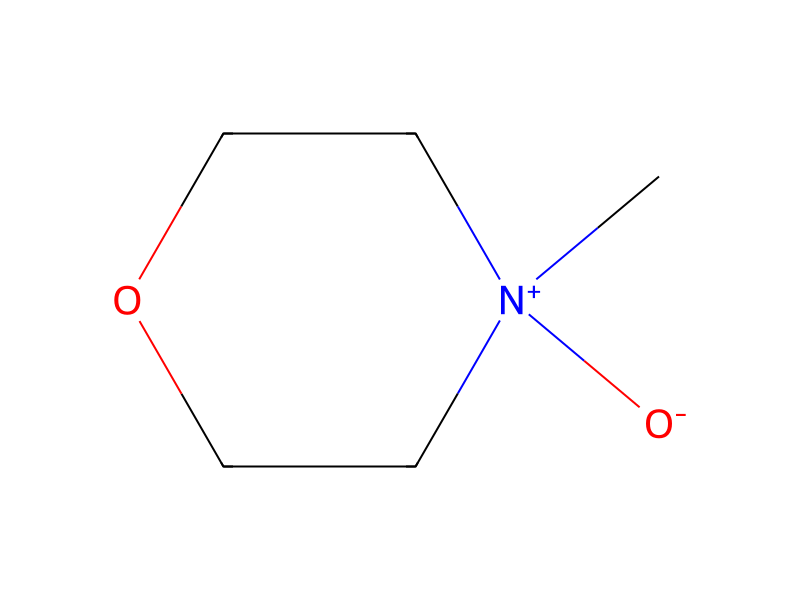
Methyl morpholine oxide → 5-Phenyl-1-(phenylsulfonyl)-4-propyl-1H-pyrrole-3-carbaldehyde
Reaction equation

[C:1]1([C:7]2[N:11]([S:12]([C:15]3[CH:20]=[CH:19][CH:18]=[CH:17][CH:16]=3)(=[O:14])=[O:13])[CH:10]=[C:9]([CH2:21][OH:22])[C:8]=2[CH2:23][CH2:24][CH3:25])[CH:6]=[CH:5][CH:4]=[CH:3][CH:2]=1.C[N+]1([O-])CCOCC1>[Ru]([O-])(=O)(=O)=O.C([N+](CCC)(CCC)CCC)CC>[C:1]1([C:7]2[N:11]([S:12]([C:15]3[CH:16]=[CH:17][CH:18]=[CH:19][CH:20]=3)(=[O:13])=[O:14])[CH:10]=[C:9]([CH:21]=[O:22])[C:8]=2[CH2:23][CH2:24][CH3:25])[CH:2]=[CH:3][CH:4]=[CH:5][CH:6]=1Participants
4


Procedure
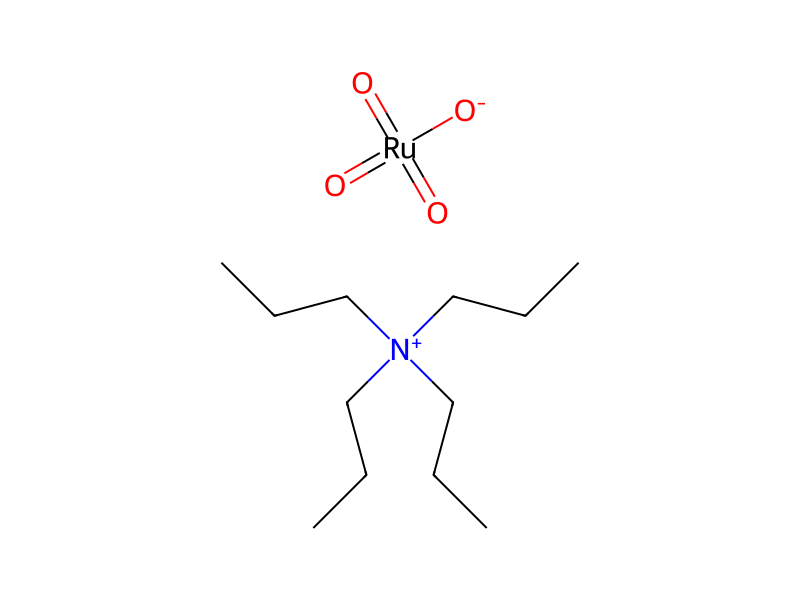
Using [5-phenyl-1-(phenylsulfonyl)-4-propyl-1H-pyrrol-3-yl]methanol (2.73 g), tetra-n-propylammonium perruthenate (142 mg), N-methylmorpholine N-oxide (1.04 g) and molecular sieves 4A powder (1.5 g), a procedure as in Reference Example 6 was performed to give the title compound as a pale-red oil (yield 1.33 g, 47%).
Sources & evidence
- ORD record
- ord-e39546c113504f6094a4e5b54693eae1
- Source dataset
- uspto-grants-2011_11
- Patent number
- US08048909B2
Reaction notes
Loading…