Ammonia → HCID 178519929, compound
Reaction equation

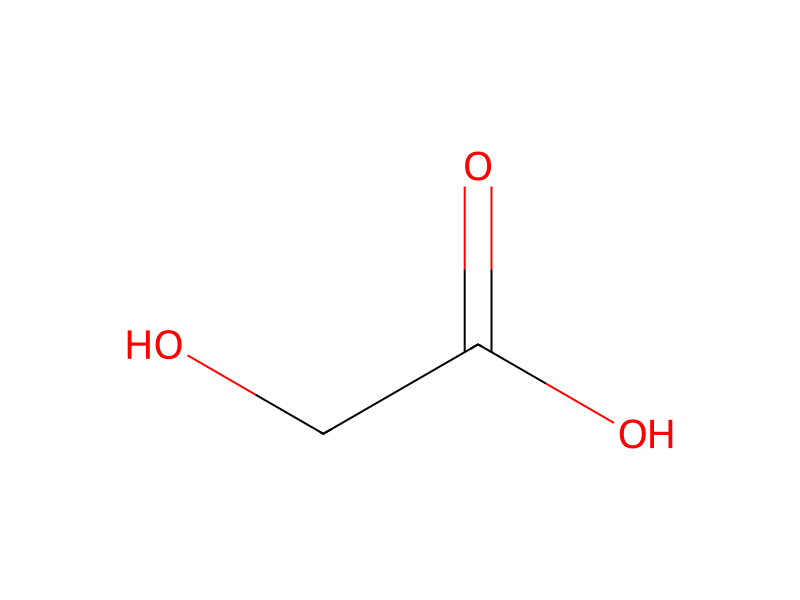
[C:1]([OH:5])(=O)[CH2:2]O.[Cl:6][C:7]1[N:12]=[C:11]([NH2:13])[C:10]([NH2:14])=[CH:9][CH:8]=1.Cl.N>>[Cl:6][C:7]1[N:12]=[C:11]2[NH:13][C:2]([CH2:1][OH:5])=[N:14][C:10]2=[CH:9][CH:8]=1Participants
5




Conditions
- Temperature
- 150 °C
Procedure
6.60 g of glycolic acid were added to 5.00 g of 6-chloro-2,3-diaminopyridine (prepared as described in Preparation 42), and the resulting mixture was stirred at 150° C. for 4 hours. At the end of this time, the reaction mixture was treated with 3N aqueous hydrochloric acid and subsequently made alkaline by the addition of aqueous ammonia. The aqueous mixture was evaporated to dryness, and the resulting residue was purified by column chromatography through silica gel, using a gradient elution method, with mixtures of ethyl acetate and methanol in ratios ranging from 1:0 to 10:1 by volume as the eluent. The product was then crystallized by trituration with ethyl acetate, to give 5.33 g of the title compound, melting at 224°-226° C.
Workup
- customThe aqueous mixture was evaporated to dryness
- customthe resulting residue was purified by column chromatography through silica gel
- washa gradient elution method
- customThe product was then crystallized by trituration with ethyl acetate
Sources & evidence
- ORD record
- ord-635b4ec7e35d4c8e9528b9b32b08a17f
- Source dataset
- uspto-grants-1997_04
- Patent number
- US05624935
Reaction notes
Loading…