5-Bromo-1,2,3-trimethoxybenzene → HCID 66987404, compound
Reaction equation

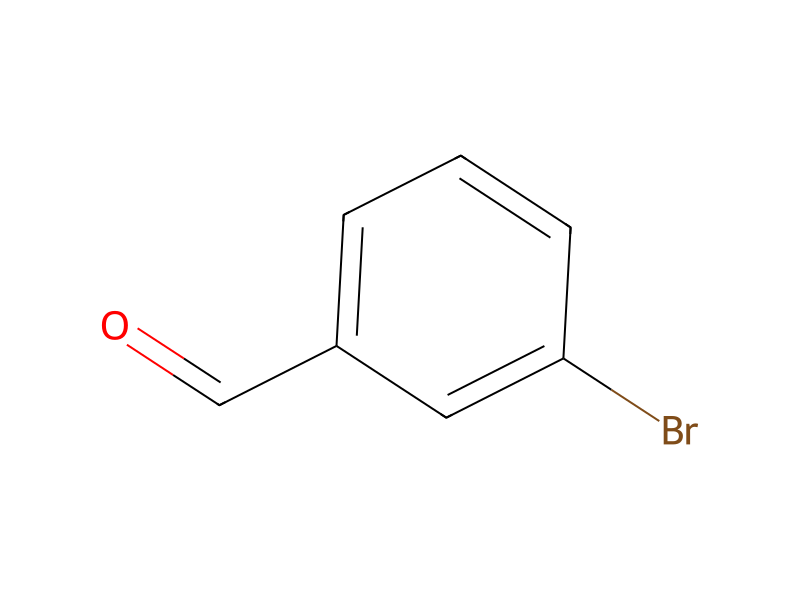
[Mg].Br[C:3]1[CH:8]=[C:7]([O:9][CH3:10])[C:6]([O:11][CH3:12])=[C:5]([O:13][CH3:14])[CH:4]=1.[Br:15][C:16]1[CH:17]=[C:18]([CH:21]=[CH:22][CH:23]=1)[CH:19]=[O:20].C1C=C[NH+]=CC=1.C1C=C[NH+]=CC=1.[O-][Cr](O[Cr]([O-])(=O)=O)(=O)=O>>[Br:15][C:16]1[CH:17]=[C:18]([C:19]([C:3]2[CH:8]=[C:7]([O:9][CH3:10])[C:6]([O:11][CH3:12])=[C:5]([O:13][CH3:14])[CH:4]=2)=[O:20])[CH:21]=[CH:22][CH:23]=1Participants
5




Procedure
First, magnesium was added to 1-bromo-3,4,5-trimethoxybenzene as a starting material, as shown in Reaction 6, and then 3-bromobenzaldehyde was added thereto to obtain a compound. Thus obtained compound was oxidized using PDC to obtain a Compound 21 derivative [(3-bromophenyl)(3,4,5-trimethoxyphenyl)methanone]. Thus obtained compound and thiophen-3-boronic acid were subjected to the Suzuki reaction, in the same manner as in the synthesis of Compound 457, to obtain Compound 568.
Workup
- customas shown in Reaction 6
- customto obtain a compound
Sources & evidence
- ORD record
- ord-4163dee435434a658044f944f47d78a1
- Source dataset
- uspto-grants-2011_11
- Patent number
- US08053439B2
Reaction notes
Loading…