Iodine → 3-[4-(2-Bromo-5-fluorophenoxy)piperidin-1-yl]isoxazole-5-carboxamide
Reaction equation

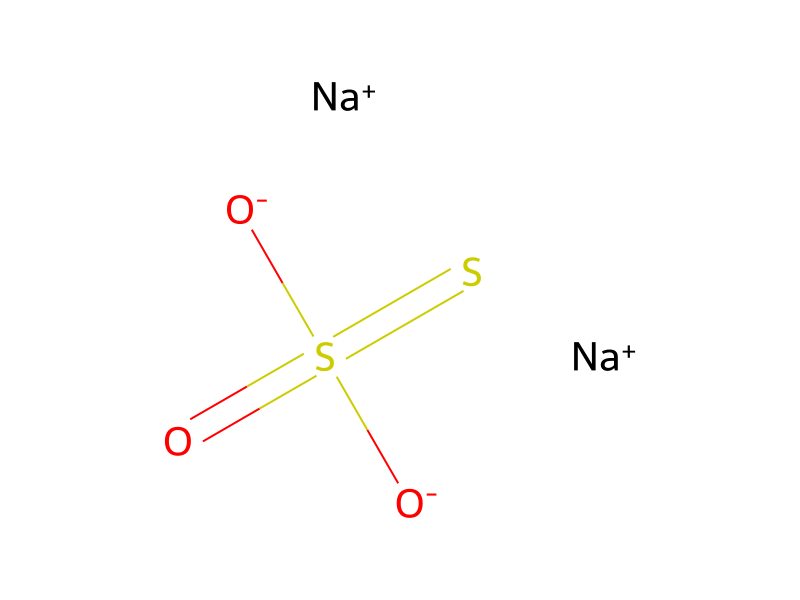
[Br:1][C:2]1[CH:22]=[CH:21][C:20]([F:23])=[CH:19][C:3]=1[O:4][CH:5]1[CH2:10][CH2:9][N:8]([C:11]2[CH2:15][CH:14]([C:16]([NH2:18])=[O:17])[O:13][N:12]=2)[CH2:7][CH2:6]1.C([O-])(=O)C.[Na+].II.[O-]S([O-])(=S)=O.[Na+].[Na+]>ClC1C=CC=CC=1.CCOC(C)=O.O>[Br:1][C:2]1[CH:22]=[CH:21][C:20]([F:23])=[CH:19][C:3]=1[O:4][CH:5]1[CH2:10][CH2:9][N:8]([C:11]2[CH:15]=[C:14]([C:16]([NH2:18])=[O:17])[O:13][N:12]=2)[CH2:7][CH2:6]1Participants
8
Reactant 4



Product 1

Reagents, catalysts & solvents 3



Procedure
To a stirred suspension of 3-[4-(2-bromo-5-fluorophenoxy)piperidin-1-yl]-4,5-dihydroisoxazole-5-carboxamide (2.3 g, 5.96 mmol) and sodium acetate (1.3 g, 15.85 mmol) in chlorobenzene (15 mL) was added iodine (2 g, 7.88 mmol). The mixture was heated at reflux temperature for 3 h. After cooling, a solution of Na2S2O3, water and EtOAc were added. The mixture was stirred for 5 min and filtered through celite to remove the insoluble material. The organic layer was then separated, washed with brine, dried (Na2SO4) and concentrated. The residue was triturated with Et2O to give the title compound as light brown powder.
Workup
- temperatureThe mixture was heated
- temperatureat reflux temperature for 3 h
- temperatureAfter cooling
- filtrationfiltered through celite
- customto remove the insoluble material
- customThe organic layer was then separated
- washwashed with brine
- dry with materialdried (Na2SO4)
- concentrationconcentrated
- customThe residue was triturated with Et2O
Sources & evidence
- ORD record
- ord-091711a9d51d4572a203552b8c604b9d
- Source dataset
- uspto-grants-2011_11
- Patent number
- US08063224B2
Reaction notes
Loading…