Acetic Acid → Trifluoroacetic acid
Reaction equation

[Cl:1][C:2]1[CH:3]=[C:4]([CH2:16][NH:17][C:18]([C:20]2[CH:25]=[CH:24][CH:23]=[C:22]([C:26]([NH:28][CH2:29][C:30]3[C:31]([NH:43][CH:44]4[CH2:49][CH2:48][O:47][CH2:46][CH2:45]4)=[C:32]4[CH:40]=[N:39][N:38]([CH2:41][CH3:42])[C:33]4=[N:34][C:35]=3[CH2:36][CH3:37])=[O:27])[CH:21]=2)=[O:19])[CH:5]=[C:6]([C:8]2[CH:13]=[CH:12][CH:11]=[C:10]([CH:14]=O)[CH:9]=2)[CH:7]=1.[N:50]1(C(OC(C)(C)C)=O)[CH2:56][CH2:55][CH2:54][NH:53][CH2:52][CH2:51]1.C(O)(=O)C.C(O[BH-](OC(=O)C)OC(=O)C)(=O)C.[F:81][C:82]([F:87])([F:86])[C:83]([OH:85])=[O:84]>ClCCCl>[Cl:1][C:2]1[CH:3]=[C:4]([CH2:16][NH:17][C:18]([C:20]2[CH:25]=[CH:24][CH:23]=[C:22]([C:26]([NH:28][CH2:29][C:30]3[C:31]([NH:43][CH:44]4[CH2:49][CH2:48][O:47][CH2:46][CH2:45]4)=[C:32]4[CH:40]=[N:39][N:38]([CH2:41][CH3:42])[C:33]4=[N:34][C:35]=3[CH2:36][CH3:37])=[O:27])[CH:21]=2)=[O:19])[CH:5]=[C:6]([C:8]2[CH:13]=[CH:12][CH:11]=[C:10]([CH2:14][N:50]3[CH2:56][CH2:55][CH2:54][NH:53][CH2:52][CH2:51]3)[CH:9]=2)[CH:7]=1.[C:83]([OH:85])([C:82]([F:87])([F:86])[F:81])=[O:84]Participants
Reactant 5
 HCID 176Acetic Acid
 HCID 6422Trifluoroacetic acid
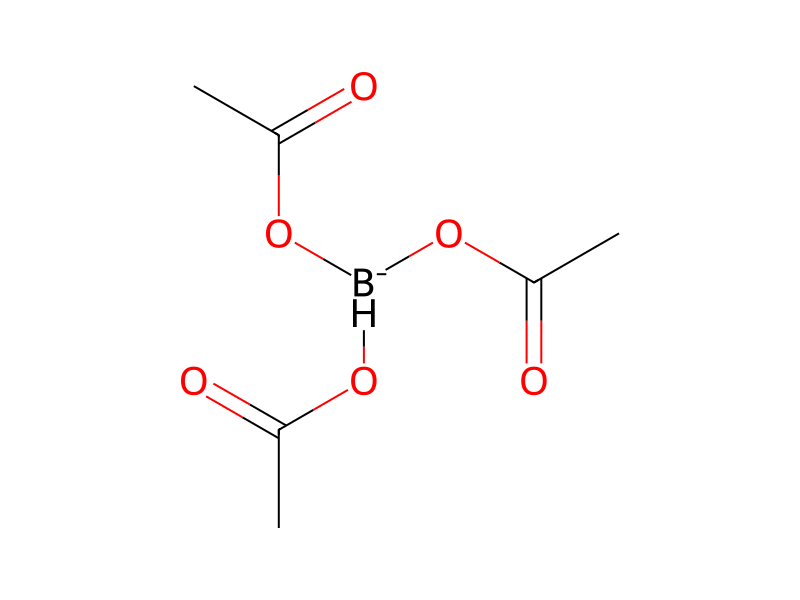 HCID 2724942Triacetoxyborohydride
 HCID 2756058Tert-butyl 1,4-diazepane-1-carboxylate
 HCID 57813301N-[(5-Chloro-3'-formyl-3-biphenylyl)methyl]-N'-{[1,6-diethyl-4-(tetrahydro-2H-pyran-4-ylamino)-1H-pyrazolo[3,4-b]pyridin-5-yl]methyl}-1,3-benzenedicarboxamide
Product 2

Reagents, catalysts & solvents 1

Procedure
N-[(5-Chloro-3′-formyl-3-biphenylyl)methyl]-N′-{[1,6-diethyl-4-(tetrahydro-2H-pyran-4-ylamino)-1H-pyrazolo[3,4-b]pyridin-5-yl]methyl}-1,3-benzenedicarboxamide (40 mg, 0.059 mmol) and 1,1-dimethylethyl hexahydro-1H-1,4-diazepine-1-carboxylate (23.59 mg, 0.118 mmol) were dissolved in 1,2-dichloroethane (DCE) (1 mL) in a 1 dram vial and acetic acid (3.71 μL, 0.065 mmol) was added. The mixture was stirred for 30 min and then MP-Triacetoxyborohydride (126 mg, 0.294 mmol) was added. The mixture was stirred overnight. The mixture was filtered through glass fibre filter paper and washed 2× with 0.3 mL of DCE. Trifluoroacetic acid (0.18 mL, 2.336 mmol) was added and the mixture stirred at room temperature overnight. The reaction mixture was concentrated and taken up in 1.3 mL of DMSO and purified on a Gilson HPLC eluting at 20 mL/min with a linear gradient running from 10% CH3CN/H2O (0.1% TFA) to 90% CH3CN/H2O (0.1% TFA). The desired fractions were concentrated to give the desired product as a TFA salt. This was converted to the free base by taking up the residue in EtOAc (30 mL) and 2.5 N NaOH (5 mL). The organic phase was washed with 2.5 N NaOH (3×5 mL) and then with brine (2×5 mL). The organic phase was dried over anhydrous Na2SO4, filtered and concentrated to give N-{[5-chloro-3′-(hexahydro-1H-1,4-diazepin-1-ylmethyl)-3-biphenylyl]methyl}-N′-{[1,6-diethyl-4-(tetrahydro-2H-pyran-4-ylamino)-1H-pyrazolo[3,4-b]pyridin-5-yl]methyl}-1,3-benzenedicarboxamide (28.2 mg, 62.3%) as a white solid. LC-MS m/z 763 M+; mp 121-124° C.
Workup
- stirringThe mixture was stirred overnight
- filtrationThe mixture was filtered through glass fibre filter paper
- washwashed 2× with 0.3 mL of DCE
- stirringthe mixture stirred at room temperature overnight
- concentrationThe reaction mixture was concentrated
- custompurified on a Gilson HPLC
- washeluting at 20 mL/min with a linear gradient
- concentrationThe desired fractions were concentrated
Sources & evidence
- ORD record
- ord-fe401b3ac4ab4f1593b695601516a40a
- Source dataset
- uspto-grants-2011_11
- Patent number
- US08067408B2
Reaction notes
Loading…