1,3-Dimethylimidazolium Iodide → 6,7-Dimethoxyquinazoline
Reaction equation

Cl[C:2]1[C:11]2[C:6](=[CH:7][C:8]([O:14][CH3:15])=[C:9]([O:12][CH3:13])[CH:10]=2)[N:5]=[CH:4][N:3]=1.BrC1C=C(C=CC=1)C=O.[I-].C[N+]1C=CN(C)C=1.[H-].[Na+]>O1CCOCC1>[CH3:13][O:12][C:9]1[CH:10]=[C:11]2[C:6](=[CH:7][C:8]=1[O:14][CH3:15])[N:5]=[CH:4][N:3]=[CH:2]2Participants
6
Reactant 4


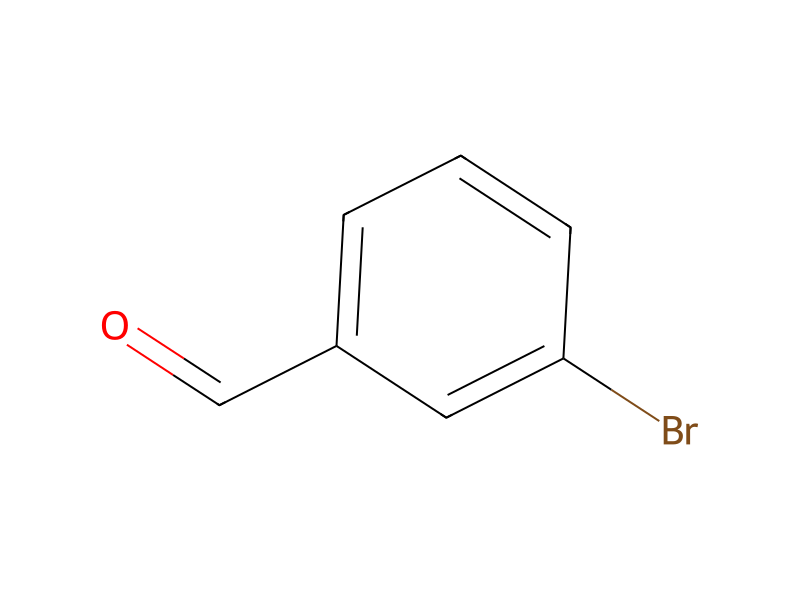

Product 1

Reagents, catalysts & solvents 1

Procedure
The lead compound 4-(3′-bromobenzoyl)-6,7-dimethoxyquinazoline WHI-P164 was synthesized by reacting 4-chloro-6,7-dimethoxyquinazoline 5 with the commercially available 3-bromobenzaldehyde in the presence of 1,3-dimethylimidazolium iodide and sodium hydride in refluxing dioxane for 4 hours (Scheme 2) (32,33). The remaining 6,7-dimethoxyquinazoline derivatives were synthesized by condensing 4-chloro-6,7-dimethoxyquinazoline 5 with the corresponding substituted anilines as shown in Scheme 3.
Sources & evidence
- ORD record
- ord-d01608871e9a4e309a5955edd3dfac79
- Source dataset
- uspto-grants-2001_01
- Patent number
- US06172071B2
Reaction notes
Loading…