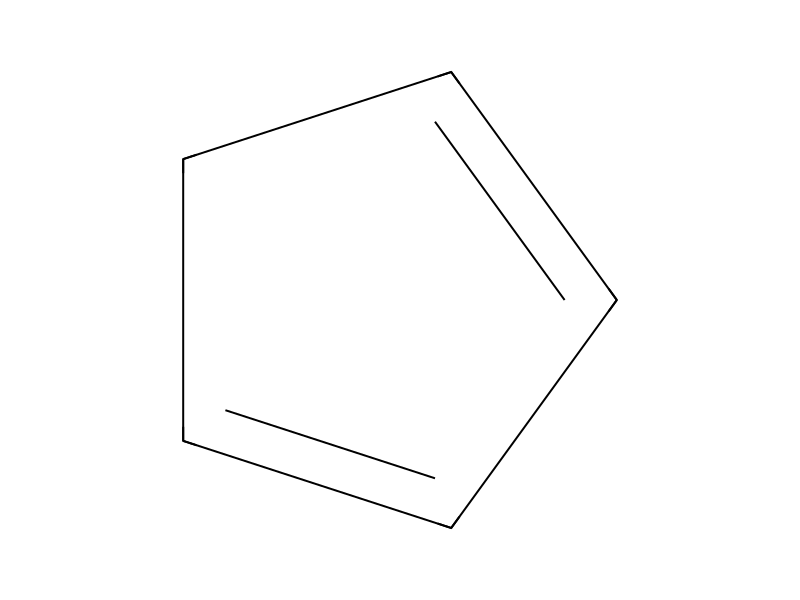
Dicyclopentadiene → HCID 18784409, compound
Reaction equation

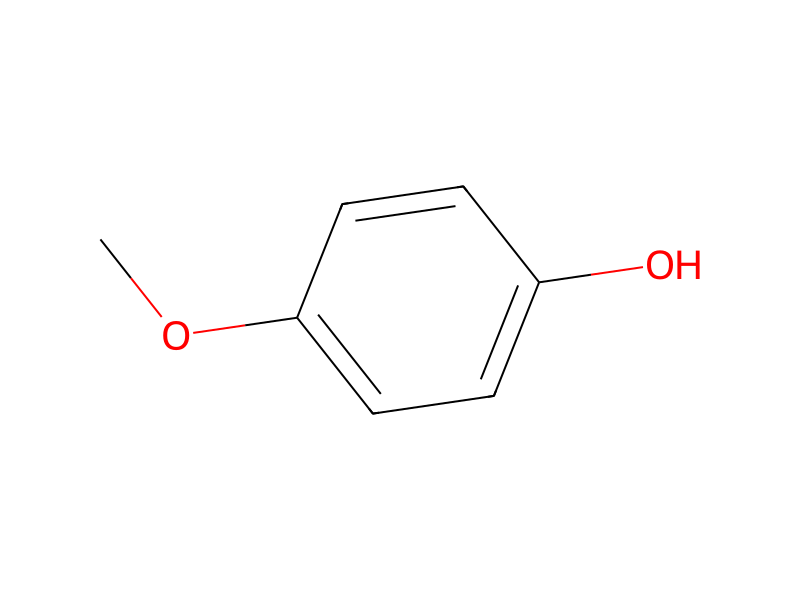
[CH2:1]1[CH:5]2[CH:6]3[CH:10]=[CH:9][CH:8]([CH:4]2[CH:3]=[CH:2]1)[CH2:7]3.[CH3:11][C:12]1([C:19]([O:21][CH3:22])=[O:20])CC2C[CH:13]1C=C2.C1CC=CC=1.COC1C=CC(O)=CC=1>C(OC)(=O)C(C)=C>[CH3:11][C:12]1([C:19]([O:21][CH3:22])=[O:20])[CH2:13][CH:1]2[CH2:2][CH:3]1[CH:4]1[CH:5]2[CH:6]2[CH2:7][CH:8]1[CH:9]=[CH:10]2Participants
6



Conditions
- Temperature
- 180 °C
Procedure
A 50 liter reaction vessel equipped with a stirrer maintained at a temperature of 180° C. and pressure of 3.5 kg/cm2.G was continuously charged with a mixture of methyl methacrylate, dicyclopentadiene, and 5-methyl-5-methoxycarbonylbicyclo[2.2.1]hept-2-ene, at a ratio of 1:2.4 (cyclopentadiene base):2.4, at a feed rate of 4 kg/hour, so that the average residence time of the reaction raw materials in the reaction vessel was maintained 8 hours. As a polymerization inhibitor, a solution of p-methoxyphenol in methyl methacrylate was added in an amount of 300 ppm (weight base) of the total amount of the reaction raw materials.
Workup
- customA 50 liter reaction vessel
- customequipped with a stirrer
- custom2.4, at a feed rate of 4 kg/hour, so that the average residence time of the reaction raw materials in the reaction vessel
- temperaturewas maintained 8 hours
Sources & evidence
- ORD record
- ord-5bdcf9eef869454c99f31996a2133956
- Source dataset
- uspto-grants-2001_01
- Patent number
- US06180316B2
Reaction notes
Loading…