Sodium Hydroxide → HCID 131722285, compound
Reaction equation

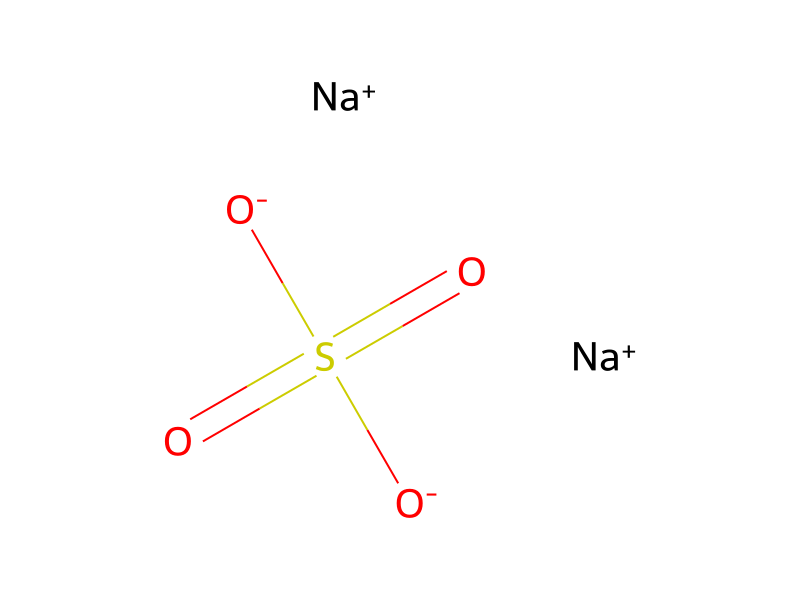
[Cl:1][C:2]1[CH:3]=[C:4]([CH:26]=[CH:27][CH:28]=1)[NH:5][C:6]1[C:7]2[CH:14]=[C:13]([C:15]3[CH:20]=[CH:19][C:18]([C:21](OCC)=[O:22])=[CH:17][CH:16]=3)[NH:12][C:8]=2[N:9]=[CH:10][N:11]=1.[H-].[Al+3].[Li+].[H-].[H-].[H-].[OH-].[Na+].S([O-])([O-])(=O)=O.[Na+].[Na+]>C1COCC1.O>[Cl:1][C:2]1[CH:3]=[C:4]([CH:26]=[CH:27][CH:28]=1)[NH:5][C:6]1[C:7]2[CH:14]=[C:13]([C:15]3[CH:20]=[CH:19][C:18]([CH2:21][OH:22])=[CH:17][CH:16]=3)[NH:12][C:8]=2[N:9]=[CH:10][N:11]=1Participants
7






Procedure
3.53 g (9.0 mmol) of 4-(3-chloroanilino)-6-(4-ethoxycarbonylphenyl)-7H-pyrrolo[2,3-d]pyrimidine are suspended in 150 ml of THF. At 54° C., a total of 0.845 g (21.6 mmol) of lithium aluminum hydride are introduced in the course of 5 h. For working up, 1 ml of water, 2 ml of 1N sodium hydroxide solution and 1 ml of water, followed by 10 g of sodium sulfate, are added successively. The solid is filtered off and the filtrate is concentrated. The residue obtained is washed with methanol and diethyl ether and then dried. 4-(3-Chloroanilino)-6-(4-hydroxymethlyphenyl)-7H-pyrrolo[2,3-d]pyrimidine is obtained in colorless crystals; m.p.>250° C.; FAB-MS (M+H)+=351.
Workup
- additionare added successively
- filtrationThe solid is filtered off
- concentrationthe filtrate is concentrated
- customThe residue obtained
- washis washed with methanol and diethyl ether
- customdried
Sources & evidence
- ORD record
- ord-9e35985b60854b3f9b2c9aac3254c3e8
- Source dataset
- uspto-grants-2001_01
- Patent number
- US06180636B2
Reaction notes
Loading…