Aniline → 1,2-Dihydroquinoline
Reaction equation

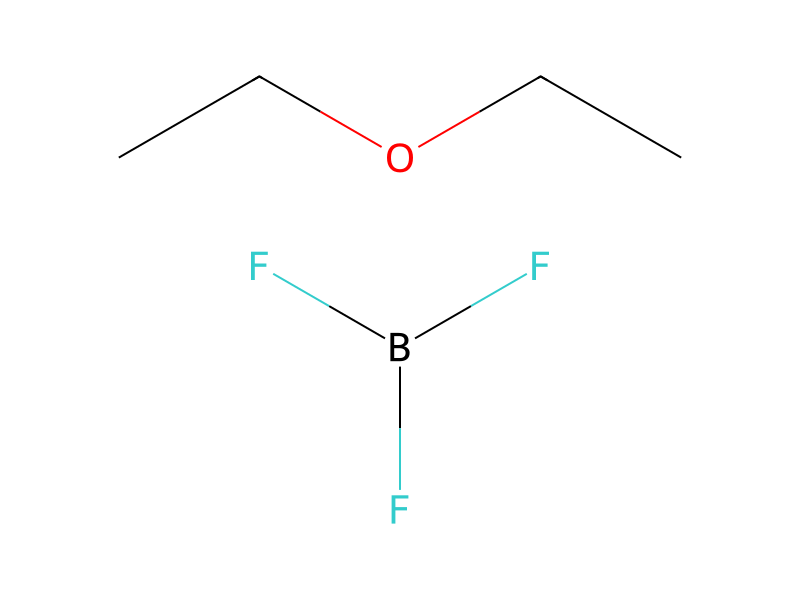
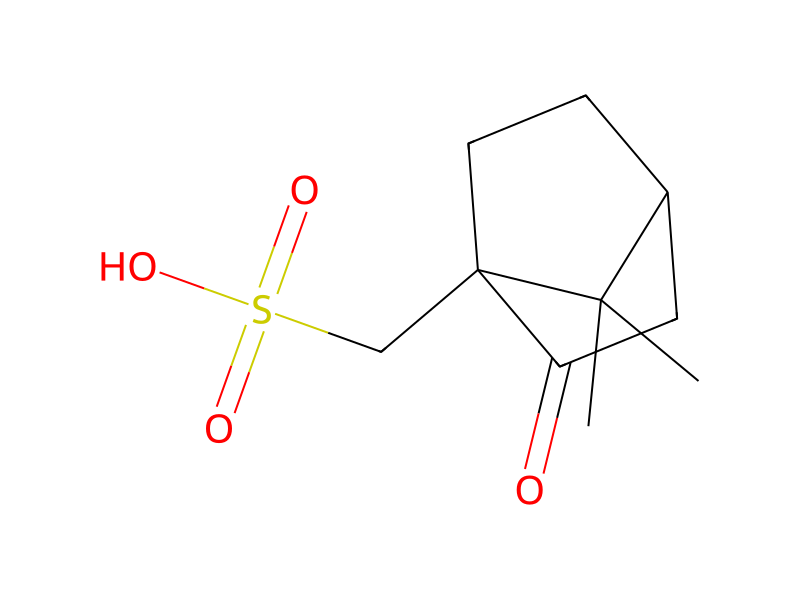
[NH2:1][C:2]1[CH:7]=[CH:6][CH:5]=[CH:4][CH:3]=1.[C:8]1(=O)[CH2:13]CCC[CH2:9]1.C12(CS(O)(=O)=O)C(C)(C)C(CC1)CC2=O.B(F)(F)F.CCOCC.FC(F)(F)S([O-])(=O)=O.FC(F)(F)S([O-])(=O)=O.FC(F)(F)S([O-])(=O)=O.[La+3]>CCC(=O)CC.CC(C)=O>[NH:1]1[C:2]2[C:7](=[CH:6][CH:5]=[CH:4][CH:3]=2)[CH:9]=[CH:8][CH2:13]1Participants
8
Reactant 5



Product 1

Reagents, catalysts & solvents 2


Procedure
In the final step of this novel process, an aniline 10 is treated with a ketone 11, especially acetone, cyclohexanone or 3-pentanone, in the presence of a catalyst, especially camphor sulfonic acid, boron trifluoride etherate or lanthanum tris(trifluoromethanesulfonate), to afford the 1,2-dihydroquinoline 12:
Sources & evidence
- ORD record
- ord-a9179c3b7ed743a393450609545a9d53
- Source dataset
- uspto-grants-2001_01
- Patent number
- US06180794B2
Reaction notes
Loading…