Sodium borohydride → HCID 54216095, compound
Reaction equation

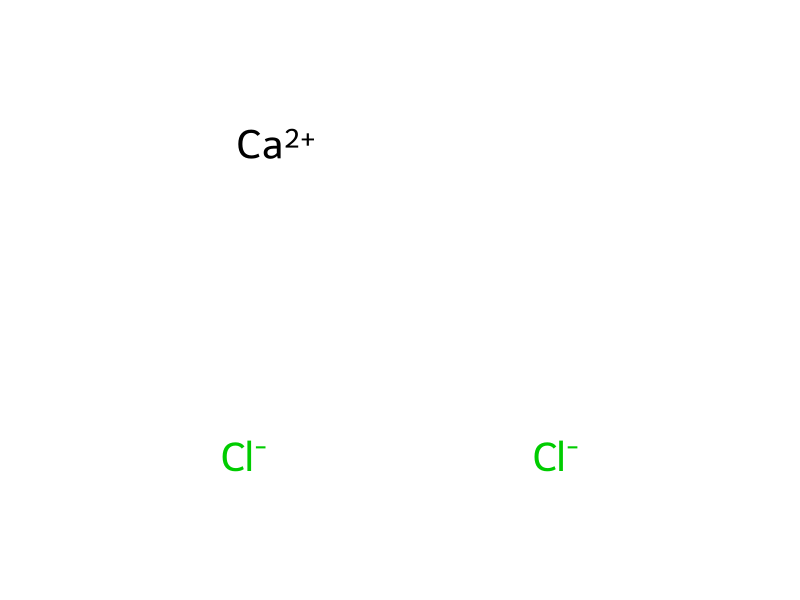
[Cl:1][CH2:2][C:3]([CH3:21])([CH3:20])[C:4](=[O:19])[C:5]([N:14]1[CH:18]=[N:17][CH:16]=[N:15]1)=[CH:6][C:7]1[CH:12]=[CH:11][C:10]([Cl:13])=[CH:9][CH:8]=1.[Cl-].[Ca+2].[Cl-].[BH4-].[Na+]>C(O)(C)C>[Cl:1][CH2:2][C:3]([CH3:21])([CH3:20])[CH:4]([OH:19])[C:5]([N:14]1[CH:18]=[N:17][CH:16]=[N:15]1)=[CH:6][C:7]1[CH:8]=[CH:9][C:10]([Cl:13])=[CH:11][CH:12]=1Participants
Reactant 3


Product 1

Reagents, catalysts & solvents 1

Conditions
- Temperature
- 25 °C
Procedure
2.0 g (6.13 moles) of the E-isomer of 1-chloro-5-(4-chlorophenyl)-2,2-dimethyl-4-(1,2,4-triazol-1-yl)-4-penten-3-one (the compound of Example 2) and 0.467 g (4.11 mmoles) of calcium chloride were dissolved in 30 ml of isopropanol, and a solution of 0.167 g (4.3 mmoles) of sodium borohydride was added dropwise at -5° C. After 6 hours, the reaction mixture was warmed to 25° C. and concentrated in vacuo. The residue was poured onto water and the mixture was extracted with ethyl acetate. The combined ethyl acetate extracts were dried over sodium sulphate and concentrated in vacuo. The oily residue crystallised on trituration with diisopropyl ether. 1.1 g (55% of theory) of 1-chloro-5-(4-chlorophenyl)-2,2-dimethyl-4-(1,2,4-triazol-1-yl)-4-penten-3-ol of melting point 170° C. were obtained as the E-isomer.
Workup
- concentrationconcentrated in vacuo
- additionThe residue was poured onto water
- extractionthe mixture was extracted with ethyl acetate
- dry with materialThe combined ethyl acetate extracts were dried over sodium sulphate
- concentrationconcentrated in vacuo
- customThe oily residue crystallised on trituration with diisopropyl ether
Sources & evidence
- ORD record
- ord-5d54997165ed4de08f83b83cabba304a
- Source dataset
- uspto-grants-1988_03
- Patent number
- US04729783
Reaction notes
Loading…