Oxalyl chloride → 4-Benzyloxy-2-fluorobutyronitrile
Reaction equation

C(Cl)(=O)C(Cl)=O.[CH2:7]([O:14][CH2:15][CH2:16][CH:17]=O)[C:8]1[CH:13]=[CH:12][CH:11]=[CH:10][CH:9]=1.C[Si]([C:23]#[N:24])(C)C.C(N(S(F)(F)[F:31])CC)C>[I-].[Zn+2].[I-]>[CH2:7]([O:14][CH2:15][CH2:16][CH:17]([F:31])[C:23]#[N:24])[C:8]1[CH:13]=[CH:12][CH:11]=[CH:10][CH:9]=1Participants
6



Procedure
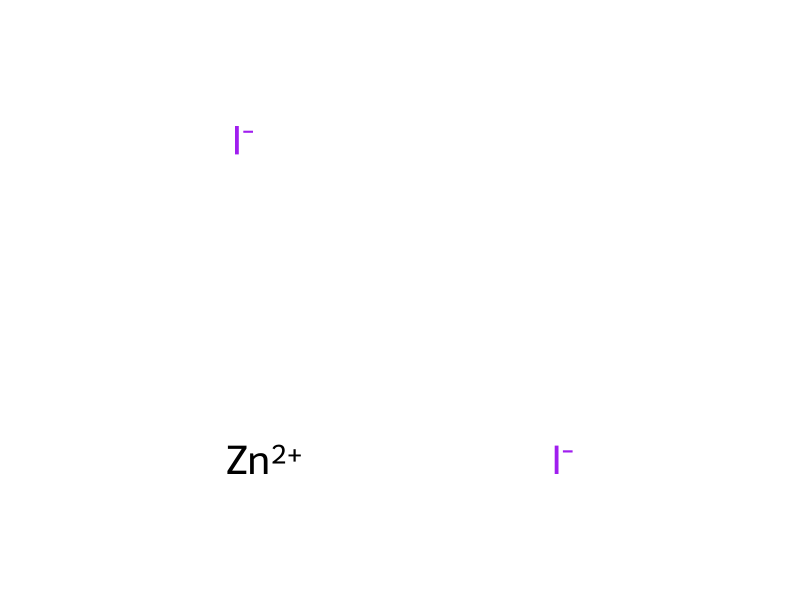
The compound 1,3-propanediol 13 is mono-alkylated to yield the 3-benzyloxy-1-propanol, which is then oxidized by means of oxalyl chloride to the corresponding 3-benzyloxy-1-propanal, 15. Reaction with trimethylsilylcyanide, preferably in the presence of a catalytic amount of zinc iodide, followed by treatment with diethylaminosulfurtrifluoride results in the formation of 4-benzyloxy-2-fluorobutyronitrile, 16.
Sources & evidence
- ORD record
- ord-b6de60400abe4129a15e14c9378f3cba
- Source dataset
- uspto-grants-1988_03
- Patent number
- US04730006
Reaction notes
Loading…