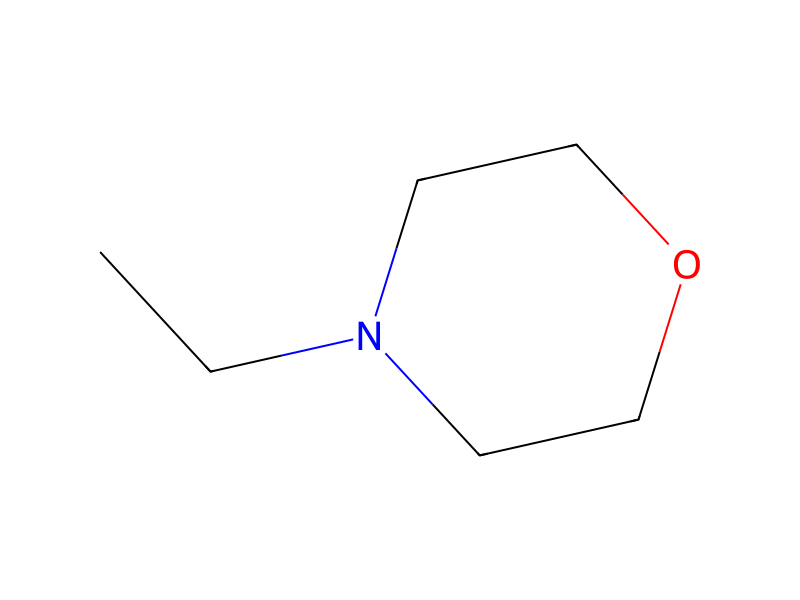
Ethylmorpholine → HCID 14181588, compound
Reaction equation

C1(N=C=NC2CCCCC2)CCCCC1.[CH:16]1([C:21]([OH:23])=O)[CH2:20][CH2:19][CH2:18][CH2:17]1.C1(C)C(S(O)(=O)=O)=CC=CC=1.C([O:42][C:43](=[O:49])[C@H:44]([CH2:46][CH2:47][CH3:48])[NH2:45])C1C=CC=CC=1.C(N1CCOCC1)C>ClCCl.CN(C)C=O>[CH:16]1([C:21]([NH:45][C@H:44]([C:43]([OH:49])=[O:42])[CH2:46][CH2:47][CH3:48])=[O:23])[CH2:17][CH2:18][CH2:19][CH2:20]1Participants
7





Conditions
- Temperature
- 0 °C
Procedure
A cool solution of 15 mmoles of dicyclohexylcarbodiimide in dichloromethane is added to a solution of 15 mmoles of cyclopentanecarboxylic acid in dichloromethane, at -5° C. 15 mmoles of norvaline benzyl ester toluenesulfonate salt in dimethylformamide (DMF), which is neutralized with N-ethyl morpholine, is then added. The reaction mixture is stirred at 0° C. initially and then at room temperature until the reaction is completed as judged by TLC. Dicyclohexylurea is removed by filtration and 50 ml of ethyl acetate is added to the filtrate. The organic phase is washed until neutral, dried over anhydrous MgSO4 and filtered. The solvent is removed with a rotary evaporator. The residue is crystalized from isopropanol and hexane.
Workup
- additionis then added
- customat room temperature
- customDicyclohexylurea is removed by filtration and 50 ml of ethyl acetate
- additionis added to the filtrate
- washThe organic phase is washed until neutral,
- dry with materialdried over anhydrous MgSO4
- filtrationfiltered
- customThe solvent is removed with a rotary evaporator
- customThe residue is crystalized from isopropanol and hexane
Sources & evidence
- ORD record
- ord-b53a188d7d65495780b86e4d39c18034
- Source dataset
- uspto-grants-1988_03
- Patent number
- US04734420
Reaction notes
Loading…