Pivalaldehyde → Methyl 3-tert-butylisoxazole-5-carboxylate
Reaction equation

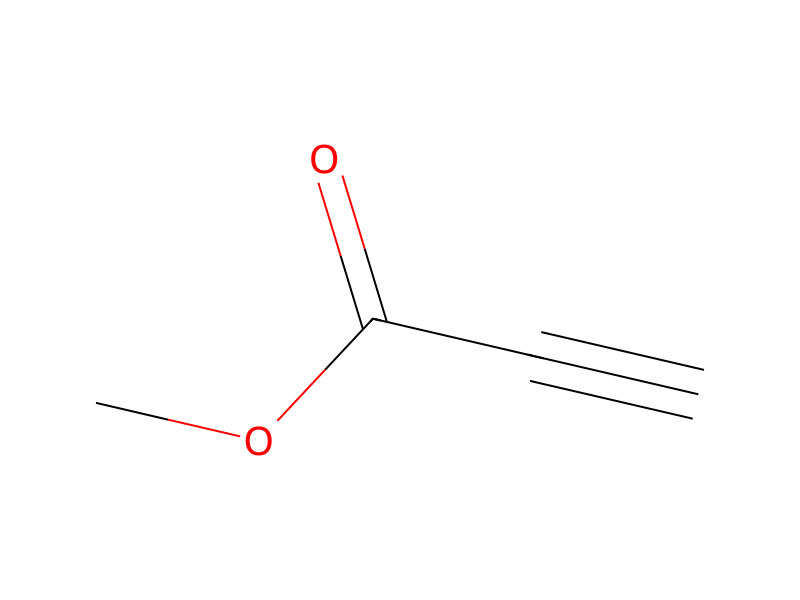
[CH3:1][C:2]([CH:5]=O)([CH3:4])[CH3:3].[NH2:7][OH:8].O.C1C(=O)N(Cl)C(=O)C1.[C:18]([O:22][CH3:23])(=[O:21])[C:19]#[CH:20]>CN(C=O)C.O>[CH3:23][O:22][C:18]([C:19]1[O:8][N:7]=[C:5]([C:2]([CH3:1])([CH3:3])[CH3:4])[CH:20]=1)=[O:21]Participants





Procedure
Pivaldehyde (1.10 mL, 10.0 mmol) was dissolved in dry DMF (10 mL), and NH2OH.H2O (0.590 mL of 55 wt % aqueous solution, 10.5 mmol) was added via syringe. The resulting mixture was stirred at room temperature for 4 h, NCS (1.40 g, 10.5 mmol) was added in small portions, and the resulting mixture was stirred at room temperature for 1 h. CuSO4.5H2O (75.0 mg, 0.300 mmol), methyl propiolate (1.07 mL, 12.0 mmol), and H2O (5 mL) were added followed by Cu powder (25.0 mg, 0.393 mmol). The resulting mixture was stirred at room temperature for 16 h and quenched with dilute aqueous NH4OH (2 mL). The aqueous solution was extracted with hexanes (3×30 mL), and then the combined organic extracts were dried over MgSO4 and filtered. The solvent was removed under reduced pressure to yield the title compound as a colorless oil. 1H-NMR (400 MHz, CDCl3) δ: 6.88 (s, 1H), 3.96 (s, 3H), 1.36 (s, 9H).
Workup
- stirringthe resulting mixture was stirred at room temperature for 1 h
- stirringThe resulting mixture was stirred at room temperature for 16 h
- customquenched with dilute aqueous NH4OH (2 mL)
- extractionThe aqueous solution was extracted with hexanes (3×30 mL)
- dry with materialthe combined organic extracts were dried over MgSO4
- filtrationfiltered
- customThe solvent was removed under reduced pressure
Sources & evidence
- ORD record
- ord-28cbfbe88bea40c7a07d8cc58a63da06
- Source dataset
- uspto-grants-2015_05
- Patent number
- US09023846B2
Reaction notes
Loading…