Hydrochloric Acid → HCID 67087705, compound
Reaction equation

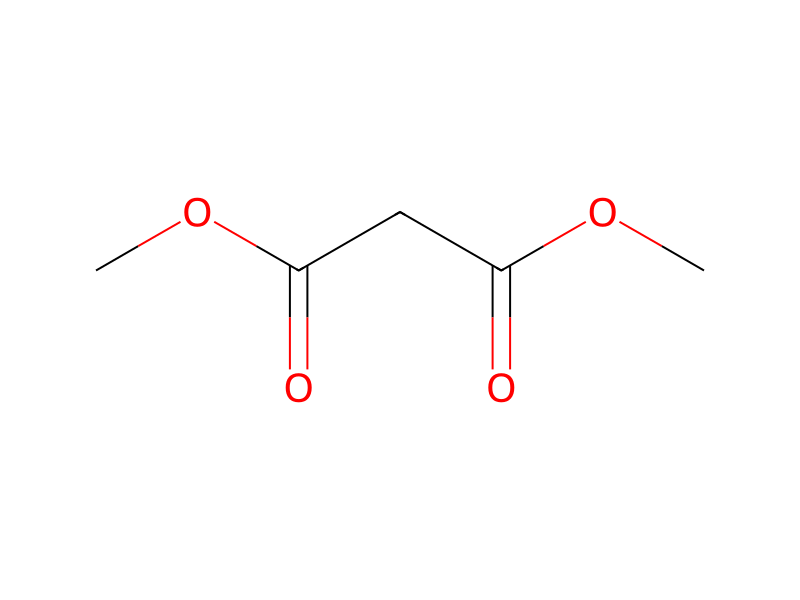
[C:1]([O:8][CH3:9])(=[O:7])[CH2:2][C:3]([O:5][CH3:6])=[O:4].[H-].[Na+].Cl[C:13]1([C:25]2[C:26]([O:31][CH2:32][CH3:33])=[N:27][CH:28]=[CH:29][CH:30]=2)[C:21]2[C:16](=[CH:17][C:18]([F:23])=[C:19]([Cl:22])[CH:20]=2)[NH:15][C:14]1=[O:24].Cl>CN(C)C=O.ClCCl.CCCCCCC.C(OCC)(=O)C>[Cl:22][C:19]1[CH:20]=[C:21]2[C:16](=[CH:17][C:18]=1[F:23])[NH:15][C:14](=[O:24])[C:13]2([CH:2]([C:1]([O:8][CH3:9])=[O:7])[C:3]([O:5][CH3:6])=[O:4])[C:25]1[C:26]([O:31][CH2:32][CH3:33])=[N:27][CH:28]=[CH:29][CH:30]=1Participants
Reactant 4



Product 1

Reagents, catalysts & solvents 3


Procedure
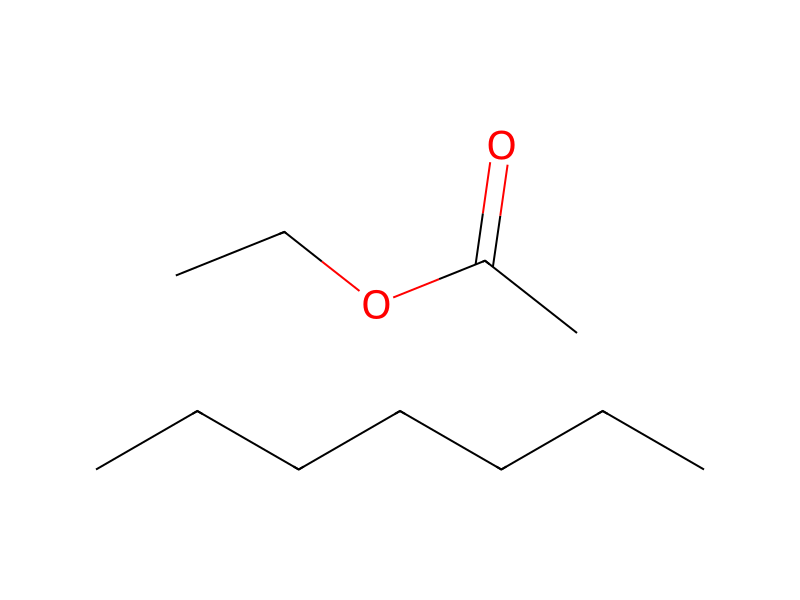
7.26 ml (63.5 mmol) of dimethyl malonate were slowly added dropwise to a suspension, cooled to 10° C., of 2.311 g (57.8 mmol, 60% w/w) of sodium hydride in 150 ml of dimethylformamide. The reaction mixture was then stirred at room temperature for 30 minutes and subsequently 6.57 g (19.26 mmol) of 3,5-dichloro-3-(2-ethoxypyridin-3-yl)-6-fluoro-1,3-dihydroindol-2-one (prepared using 5-chloro-3-(2-ethoxypyridin-3-yl)-6-fluoro-3-hydroxy-1,3-dihydroindol-2-one in analogy to example 1.1) was added in portions undiluted. The reaction mixture was then stirred for a further 15 minutes at room temperature. The progress of the reaction was monitored by thin-layer chromatography (silica gel, heptane/ethyl acetate 1:1). The mixture was worked up by stirring into cold 1N HCl and adding dichloromethane. The phases were separated, and the aqueous phase was extracted with dichloromethane (1×). The combined organic phase was washed initially with water (1×) and then with saturated sodium chloride solution (1×), dried over magnesium sulfate and filtered, and the solvent was removed in vacuo. The residue was again partly dissolved in a little dichloromethane, and pentane was added. Several fractions of crystals were obtained. In total, 3.23 g of the title compound were obtained as a white solid and 1.62 g as a beige-colored solid.
Workup
- stirringThe reaction mixture was then stirred for a further 15 minutes at room temperature
- customThe phases were separated
- extractionthe aqueous phase was extracted with dichloromethane (1×)
- washThe combined organic phase was washed initially with water (1×)
- dry with materialwith saturated sodium chloride solution (1×), dried over magnesium sulfate
- filtrationfiltered
- customthe solvent was removed in vacuo
- dissolutionThe residue was again partly dissolved in a little dichloromethane, and pentane
- additionwas added
- customSeveral fractions of crystals were obtained
Sources & evidence
- ORD record
- ord-46ab2e234e5046469e880453fb41387f
- Source dataset
- uspto-grants-2016_09
- Patent number
- US09434713B2
Reaction notes
Loading…