Ethyl Acetate → HCID 13913229, compound
Reaction equation

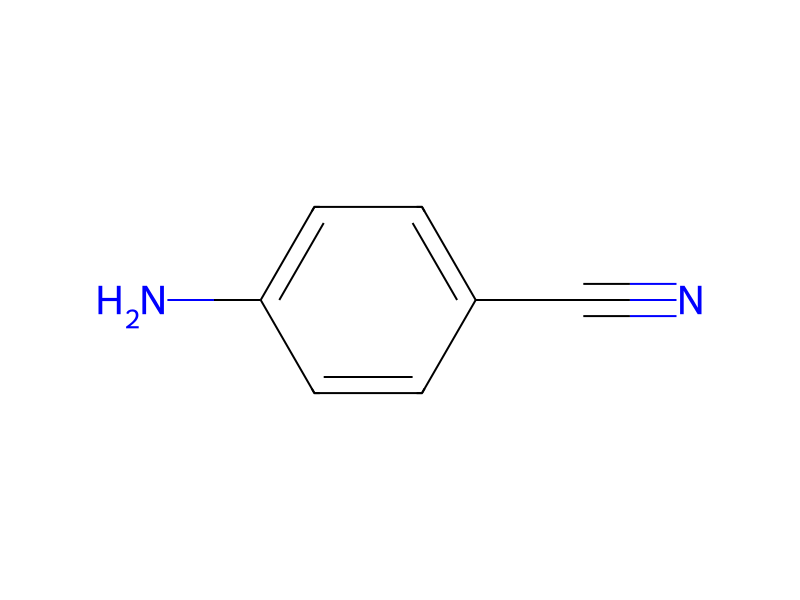
Cl[C:2]1[C:3]2[CH2:10][CH2:9][CH:8]([O:11][CH3:12])[C:4]=2[N:5]=[CH:6][N:7]=1.[NH2:13][C:14]1[CH:21]=[CH:20][C:17]([C:18]#[N:19])=[CH:16][CH:15]=1.[OH-].[Na+].C(OCC)(=O)C>C(O)C>[C:18]([C:17]1[CH:20]=[CH:21][C:14]([NH:13][C:2]2[C:3]3[CH2:10][CH2:9][CH:8]([O:11][CH3:12])[C:4]=3[N:5]=[CH:6][N:7]=2)=[CH:15][CH:16]=1)#[N:19]Participants
Reactant 4



Product 1

Reagents, catalysts & solvents 1

Conditions
- Temperature
- 130 °C
Procedure
0.92 g of 4-chloro-6,7-dihydro-7-methoxy-5H-cyclopenta[d]pyrimidine [prepared as described in step (e) above] and 0.59 g of p-aminobenzonitrile were dissolved in 5 ml of ethanol, and the solution was stirred at 130° C. for 10 minutes. At the end of this time, the mixture was cooled to room temperature, and the resulting solid reaction product was pulverized. 50 ml of a 1N aqueous solution of sodium hydroxide and 200 ml of ethyl acetate were added to the resulting powder, and the ethyl acetate layer was separated, washed with water and dried over anhydrous sodium sulfate. The ethyl acetate was evaporated off under reduced pressure, and the resulting residue was purified by silica gel column chromatography, eluted with ethyl acetate, to give 0.54 g of the title compound as colorless crystals melting at 167°-169° C.
Workup
- temperatureAt the end of this time, the mixture was cooled to room temperature
- customthe resulting solid reaction product
- customthe ethyl acetate layer was separated
- washwashed with water
- dry with materialdried over anhydrous sodium sulfate
- customThe ethyl acetate was evaporated off under reduced pressure
- customthe resulting residue was purified by silica gel column chromatography
- washeluted with ethyl acetate
Sources & evidence
- ORD record
- ord-89eea037dfc74eab92106e66db29f01f
- Source dataset
- uspto-grants-1988_06
- Patent number
- US04749704
Reaction notes
Loading…