Ammonia → HCID 53839542, compound
Reaction equation

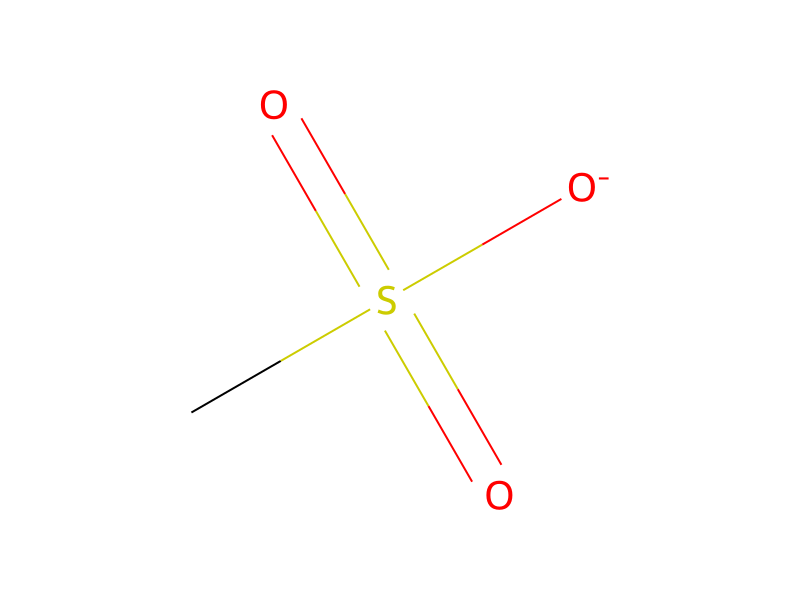
[N:1]1[N:2]=[CH:3][N:4]([C:6]2[CH:7]=[C:8]3[C:12](=[CH:13][CH:14]=2)[NH:11][CH:10]=[C:9]3[CH2:15][CH2:16][CH2:17][N:18]2[CH2:23][CH2:22][N:21]([CH:24]([C:27]3[CH:32]=[CH:31][CH:30]=[CH:29][CH:28]=3)[CH2:25]O)[CH2:20][CH2:19]2)[CH:5]=1.C([N:35](CC)CC)C.CS(Cl)(=O)=O.S([O-])(=O)(=O)C.N>CO.C1COCC1>[N:1]1[N:2]=[CH:3][N:4]([C:6]2[CH:7]=[C:8]3[C:12](=[CH:13][CH:14]=2)[NH:11][CH:10]=[C:9]3[CH2:15][CH2:16][CH2:17][N:18]2[CH2:23][CH2:22][N:21]([CH:24]([C:27]3[CH:32]=[CH:31][CH:30]=[CH:29][CH:28]=3)[CH2:25][NH2:35])[CH2:20][CH2:19]2)[CH:5]=1Participants
8







Procedure
In the same way as that described in Example 7, Step 1 using 1-[3-(5-(1,2,4-triazol-4-yl)-1H-indol-3-yl)propyl]-4-[2-hydroxy-1-phenylethyl]piperazine (330 mg, 0.77 mmol), triethylamine (214 μL, 1.53 mmol), methanesulphonyl chloride (118 μL, 1.53 mmol) and THF (15 mL). The crude mesylate was then reacted with ammonia (7.7 mL of a 2.0M solution in MeOH, 15.3 mmol) in the same way as that described in Example 7, Step 1. The amine (185 mg, 56%) was isolated as a pale yellow foam. 1H NMR (250 MHz, CDCl3) δ1.88-2.00 (2H, m), 2.38-2.76 (12H, m), 2.79 (2H, t, J=7.5 Hz), 4.11 (1H, dd, J=10.4 and 3.6 Hz), 7.13-7.18 (2H, m), 7.22-7.39 (5H, m), 7.47 (1H, d, J=8.6 Hz), 7.59 (1H, s), 8.34 (1H, br s), 8.46 (2H, s). MS (430, M+1).
Sources & evidence
- ORD record
- ord-a4e35de670af4023abfe9d40633d8b26
- Source dataset
- uspto-grants-1999_07
- Patent number
- US05925638
Reaction notes
Loading…