Resorcinol → 1,3-bis(3-fluorophenoxy)benzene
Reaction equation

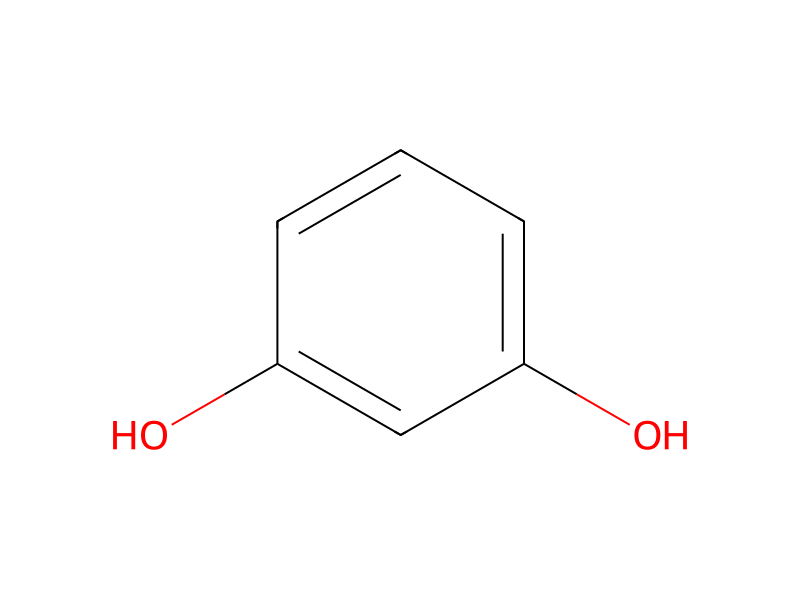
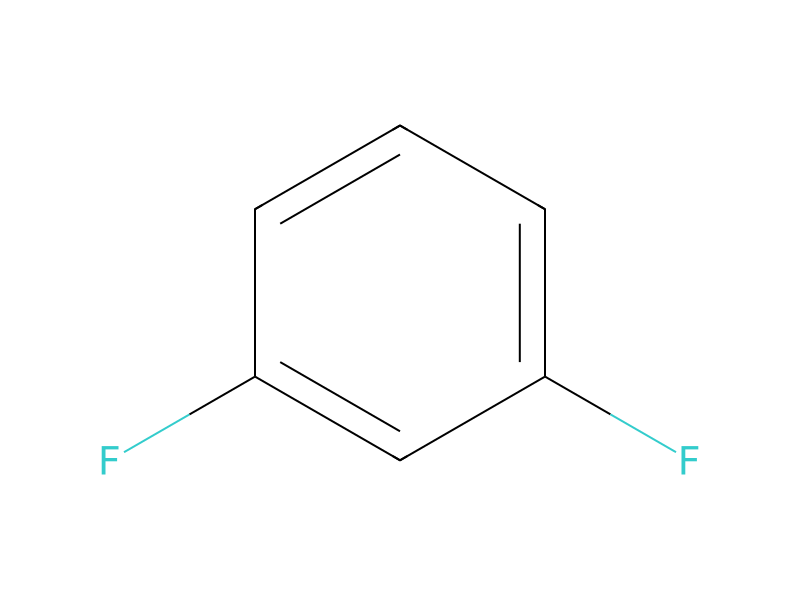
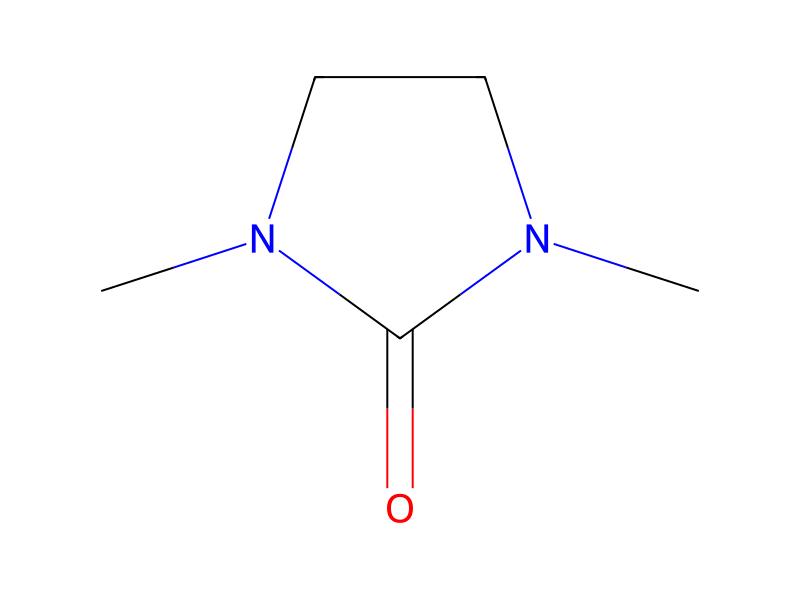
[C:1]1([CH:8]=[CH:7][CH:6]=[C:4]([OH:5])[CH:3]=1)O.F[C:10]1[CH:15]=[CH:14][CH:13]=[C:12]([F:16])[CH:11]=1.[C:17](=[O:20])([O-])[O-].[K+].[K+]>CN1CCN(C)C1=O>[F:16][C:12]1[CH:11]=[C:10]([CH:15]=[CH:14][CH:13]=1)[O:5][C:4]1[CH:6]=[CH:7][CH:8]=[C:1]([O:20][C:17]2[CH:15]=[CH:10][CH:11]=[C:12]([F:16])[CH:13]=2)[CH:3]=1Participants
Reactant 3

Product 1

Reagents, catalysts & solvents 1
Conditions
- Temperature
- 220 °C
Procedure
In a nitrogen atmosphere, 76.4 g (0.693 mole) of resorcinol, 382 g (3.34 mole) of m-difluorobenzene, 500 g (3.62 mole) of potassium carbonate and 1 liter of 1,3-dimethyl-2-imidazolidinone (abbreviated to DMI hereinafter) were placed in a 3-liter SUS autoclave, and the autoclave was closed. Then, the reaction vessel was purged with nitrogen, and the internal temperature was raised up to 220° C. with stirring. The contents in the reaction vessel were stirred for 20 hours under heating at 220° C. During the stirring, the internal pressure was not more than 0.7 MPa. The progress of the reaction was confirmed by high performance liquid chromatography (HPLC). The intermediate product, 3-(3fluorophenoxy)phenol almost disappeared at this time. After cooling to room temperature, the reaction mixture was filtered to separate a salt. To the resulting filtrate, 1 liter of toluene and 2 liters of water were added. Then, liquid separation was carried out to obtain an organic phase. The organic phase was washed with 1 liter of a 5% sodium hydroxide aqueous solution and then washed with 1 liter of water. The solvent and the starting difluorobenzene were distilled off under reduced pressure, and then quantitative determination was made by HPLC. As a result, the reaction yield of 1,3-bis(3-fluorophenoxy)benzene was 63%. The resulting crude compound was purified by vacuum distillation (bp 190° C./6.5 hPa) to obtain 109 g (0.365 mole, purity (HPLC): 99%, yield: 53%) of 1,3-bis(3-fluorophenoxy)benzene as a colorless oily product. The structure and the properties of the compound are as follows.
Workup
- customthe autoclave was closed
- customThen, the reaction vessel was purged with nitrogen
- stirringThe contents in the reaction vessel were stirred for 20 hours
- temperatureunder heating at 220° C
- temperatureAfter cooling to room temperature
- filtrationthe reaction mixture was filtered
- customto separate a salt
- additionTo the resulting filtrate, 1 liter of toluene and 2 liters of water were added
- customThen, liquid separation
- customto obtain an organic phase
- washThe organic phase was washed with 1 liter of a 5% sodium hydroxide aqueous solution
- washwashed with 1 liter of water
- distillationThe solvent and the starting difluorobenzene were distilled off under reduced pressure
- distillationThe resulting crude compound was purified by vacuum distillation (bp 190° C./6.5 hPa)
Sources & evidence
- ORD record
- ord-f4413bee1d3e4ed49d9ab006ac70b4fe
- Source dataset
- uspto-grants-2005_08
- Patent number
- US06933411B2
Reaction notes
Loading…