3-Nitrophenylboronic Acid → 4-(3-nitrophenyl)pyridine
Reaction equation

Cl.Br[C:3]1[CH:8]=[CH:7][N:6]=[CH:5][CH:4]=1.[N+:9]([C:12]1[CH:13]=[C:14](B(O)O)[CH:15]=[CH:16][CH:17]=1)([O-:11])=[O:10].C(=O)([O-])[O-].[K+].[K+].C(O)CCO>C(COC)OC.O.C(OCC)(=O)C.C1C=CC([P]([Pd]([P](C2C=CC=CC=2)(C2C=CC=CC=2)C2C=CC=CC=2)([P](C2C=CC=CC=2)(C2C=CC=CC=2)C2C=CC=CC=2)[P](C2C=CC=CC=2)(C2C=CC=CC=2)C2C=CC=CC=2)(C2C=CC=CC=2)C2C=CC=CC=2)=CC=1>[N+:9]([C:12]1[CH:17]=[C:16]([C:3]2[CH:8]=[CH:7][N:6]=[CH:5][CH:4]=2)[CH:15]=[CH:14][CH:13]=1)([O-:11])=[O:10]Participants
9
Reactant 4



Product 1

Reagents, catalysts & solvents 4




Conditions
- Temperature
- 80 °C
Procedure
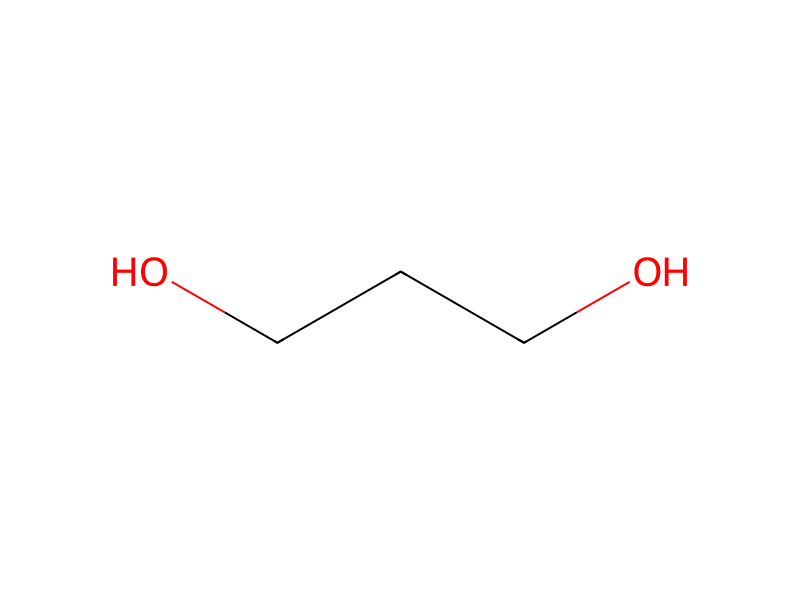
A mixture of 4-bromopyridine, hydrochloride (8.03; 41.3 mmol), 3-nitrophenylboronic acid (6.85 g; 41.0 mmol), potassium carbonate (34.2 g; 0.25 mol), 1,3-propandiol (14.9 ml; 0.21 mol) and tetrakis(triphenylphosphine)palladium (0.2 g) in a mixture of dimethoxyethane (80 ml) and water (40 ml) was stirred at 80° C. in a nitrogen atmosphere overnight. The cooled mixture was diluted with ethyl acetate and filtered through celite. The filtrate was evaporated to dryness and water was added to the residue. Vigorously stirring caused the product to precipitate. The product was filtered off, washed with water, dried and subsequently washed with petroleum ether. Yield: 8.15 g (99%).
Workup
- filtrationfiltered through celite
- customThe filtrate was evaporated to dryness and water
- additionwas added to the residue
- stirringVigorously stirring
- customto precipitate
- filtrationThe product was filtered off
- washwashed with water
- customdried
- washsubsequently washed with petroleum ether
Sources & evidence
- ORD record
- ord-9744346f6f4843fc81b39ea6f25284ca
- Source dataset
- uspto-grants-2005_08
- Patent number
- US06936613B2
Reaction notes
Loading…