Hydrogen Bromide → Benzene, 1-bromo-3-nitro-
Reaction equation

[BrH:1].[N+:2]([C:5]1[CH:6]=[C:7]([CH:9]=[CH:10][CH:11]=1)N)([O-:4])=[O:3].CC1(C)N([O])C(C)(C)CCC1.N([O-])=O.[Na+].[OH-].[Na+]>O.C(#N)C>[Br:1][C:7]1[CH:6]=[C:5]([N+:2]([O-:4])=[O:3])[CH:11]=[CH:10][CH:9]=1Participants

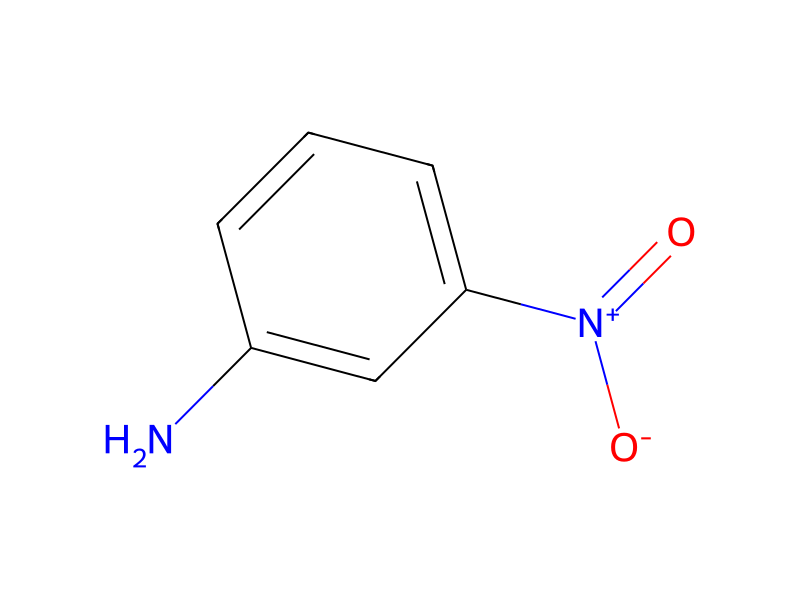

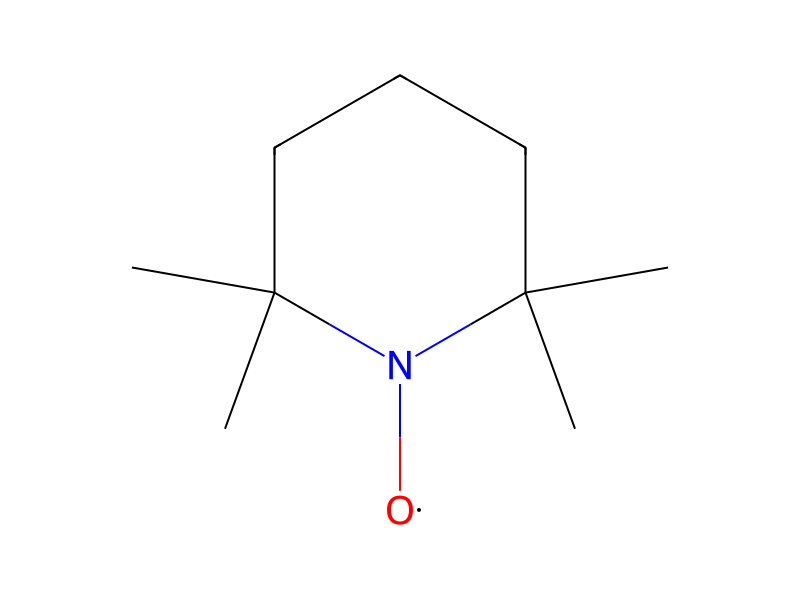

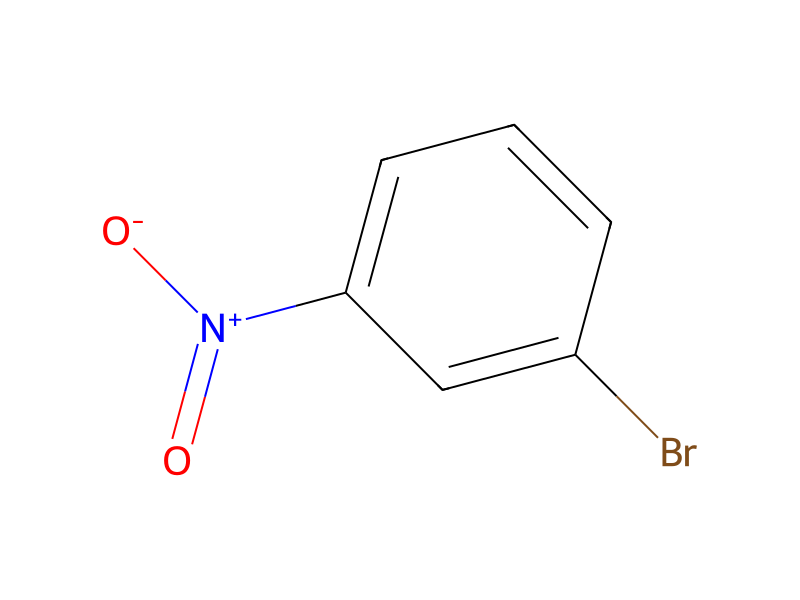


Conditions
- Temperature
- 10 °C
Procedure
Water (45 ml), acetonitrile (6 ml), and 48% hydrobromic acid (27 ml) were added to 3-nitroaniline (2c) (2.76 g, 20 mmol) at room temperature. To the mixed solution, 2,2,6,6-tetramethylpiperidine 1-oxyl (0.31 g, 2 mmol) was added at room temperature, and the mixture was cooled to 10° C. or lower. Then, sodium nitrite (2.07 g) dissolved in water (15 ml) was added thereto. After stirring at room temperature for approximately 2 hours, a 10 mol/L aqueous sodium hydroxide solution (30 ml) was added thereto, and the precipitated crystals were collected by filtration, washed with water (40 ml), and then dried under reduced pressure to obtain 3-bromonitrobenzene (1c) (3.75 g, 93.0%). The instrumental spectrum data and HPLC retention time (Rt) of the obtained compound (1c) were completely consistent with those of the commercially available compound (1c).
Workup
- additionwas added
- filtrationthe precipitated crystals were collected by filtration
- washwashed with water (40 ml)
- customdried under reduced pressure
Sources & evidence
- ORD record
- ord-d47f275727c64817b39dd080336100b6
- Source dataset
- uspto-grants-2016_01
- Patent number
- US09233980B2
Reaction notes
Loading…