2-Chlorobenzaldehyde → methyl (4R)-6-(bromomethyl)-4-(2-chlorophenyl)-2-thiazol-2-yl-1,4-dihydropyrimidine-5-carboxylate
Reaction equation

[CH3:1][O:2][C:3]([C:5]1[C@H:6]([C:18]2[CH:23]=[CH:22][C:21](F)=[CH:20][C:19]=2[Cl:25])[N:7]=[C:8]([C:13]2[S:14][CH:15]=[CH:16][N:17]=2)[NH:9][C:10]=1[CH2:11][Br:12])=[O:4].ClC1C=CC=CC=1C=O>>[Br:12][CH2:11][C:10]1[NH:9][C:8]([C:13]2[S:14][CH:15]=[CH:16][N:17]=2)=[N:7][C@@H:6]([C:18]2[CH:23]=[CH:22][CH:21]=[CH:20][C:19]=2[Cl:25])[C:5]=1[C:3]([O:2][CH3:1])=[O:4]Participants
3
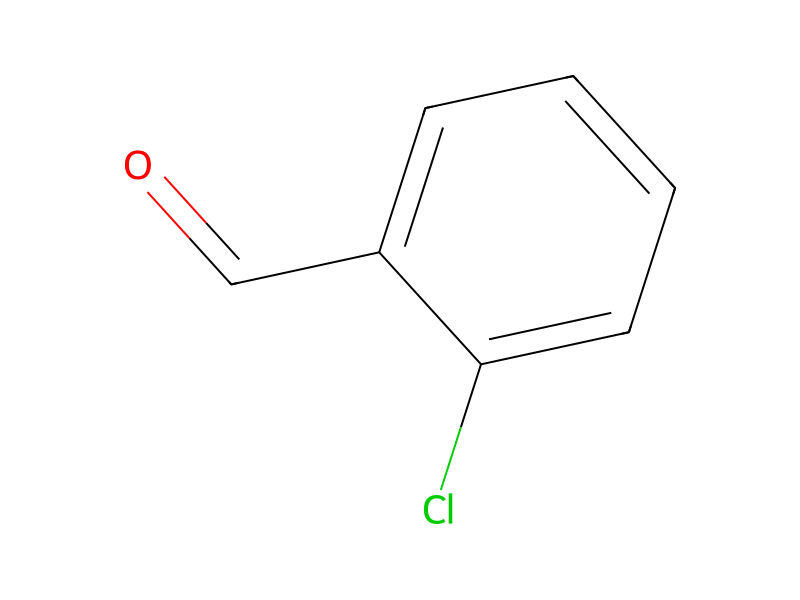


Procedure
Compound C-2 was prepared in analogy to compound C by using 2-chlorobenzaldehyde instead of 2-chloro-4-fluorobenzaldehyde.
Sources & evidence
- ORD record
- ord-a7dcb6ff980549a693e6bcf091a5b780
- Source dataset
- uspto-grants-2016_01
- Patent number
- US09233978B2
Reaction notes
Loading…