Aniline → 4-(Heptafluoropropan-2-yl)aniline
Reaction equation

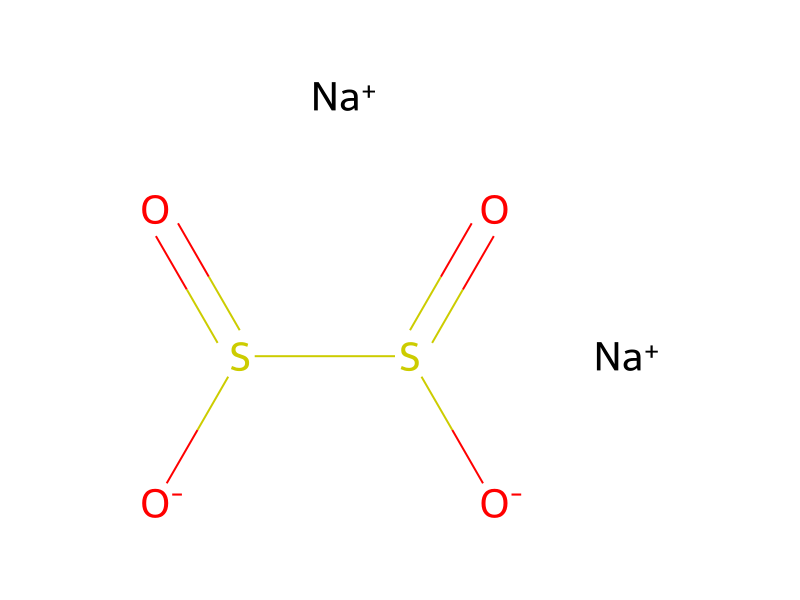
[NH2:1][C:2]1[CH:7]=[CH:6][CH:5]=[CH:4][CH:3]=1.S(S([O-])=O)([O-])=O.[Na+].[Na+].C(=O)([O-])O.[Na+].[F:21][C:22]([F:31])([F:30])[C:23](I)([F:28])[C:24]([F:27])([F:26])[F:25]>S([O-])(O)(=O)=O.C([N+](CCCC)(CCCC)CCCC)CCC.O.COC(C)(C)C>[F:21][C:22]([F:31])([F:30])[C:23]([F:28])([C:5]1[CH:6]=[CH:7][C:2]([NH2:1])=[CH:3][CH:4]=1)[C:24]([F:27])([F:26])[F:25]Participants
Reactant 4



Product 1

Reagents, catalysts & solvents 3



Procedure
100 g (1.02 mol) of aniline, 230 g (1.12 mol) of 85% sodium hydrosulfite, and 35.1 g (0.100 mol) of tetrabutylammonium hydrogen sulfate were charged to a mixed solution of 1500 ml of t-butyl methyl ether and 1500 ml of water, and 94.7 g (1.12 mol) of sodium hydrogen carbonate was added thereto. 350 g (1.12 mol) of heptafluoroisopropyl iodide was added dropwise thereto at room temperature, followed by stirring at room temperature for 6 hours. After the liquid separation, the organic layer was washed with 1 M hydrochloric acid, water, and a saturated aqueous sodium hydrogen carbonate solution, and then dried over anhydrous sodium sulfate. The solvent was evaporated under reduced pressure, and 500 ml of ethyl acetate was charged thereto. 255 g (1.02 mol) of a 4 M hydrogen chloride/ethyl acetate solution was added dropwise thereto, followed by stirring at room temperature for 30 minutes and at 5° C. for 1 hour. The precipitated solid was separated by filtration, and the solid was charged to 1000 ml of ethyl acetate, adjusted to pH 8 to 9 by the addition of 1000 ml of a saturated aqueous sodium hydrogen carbonate solution at 20° C. or lower, and subjected to liquid separation. The organic layer was dried over anhydrous sodium sulfate, and then the solvent was evaporated under reduced pressure to prepare 188 g (yield 71%) of a target compound.
Workup
- additionwas added
- customat room temperature
- customAfter the liquid separation
- washthe organic layer was washed with 1 M hydrochloric acid, water
- dry with materiala saturated aqueous sodium hydrogen carbonate solution, and then dried over anhydrous sodium sulfate
- customThe solvent was evaporated under reduced pressure, and 500 ml of ethyl acetate
- additionwas charged
- addition255 g (1.02 mol) of a 4 M hydrogen chloride/ethyl acetate solution was added dropwise
- stirringby stirring at room temperature for 30 minutes and at 5° C. for 1 hour
- customThe precipitated solid was separated by filtration
- additionthe solid was charged to 1000 ml of ethyl acetate
- additionadjusted to pH 8 to 9 by the addition of 1000 ml of a saturated aqueous sodium hydrogen carbonate solution at 20° C.
- customlower, and subjected to liquid separation
- dry with materialThe organic layer was dried over anhydrous sodium sulfate
- customthe solvent was evaporated under reduced pressure
Sources & evidence
- ORD record
- ord-3a2c0e9ba472484baf132248f5f1036b
- Source dataset
- uspto-grants-2016_01
- Patent number
- US09237745B2
Reaction notes
Loading…