Potassium Carbonate → Methyl 2-(2-bromo-5-phenylthiophen-3-yl)-2-(tert-butoxy)acetate
Reaction equation

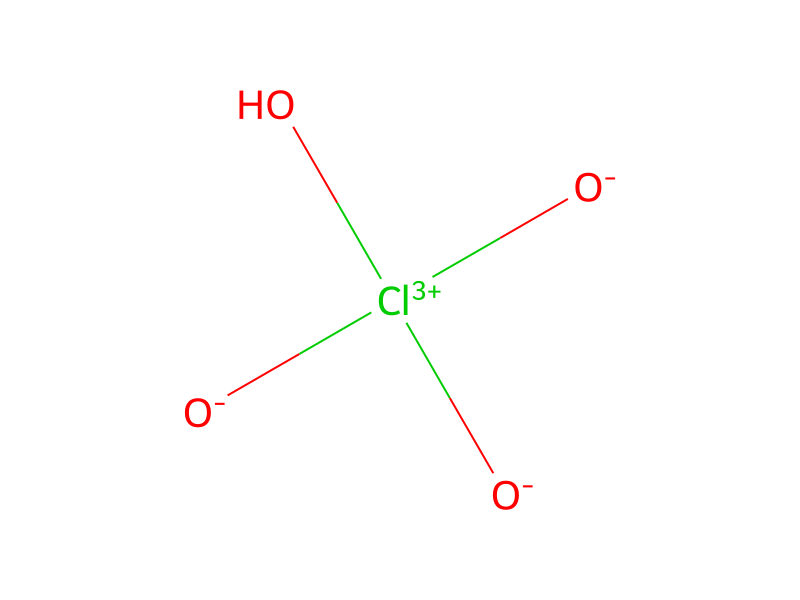
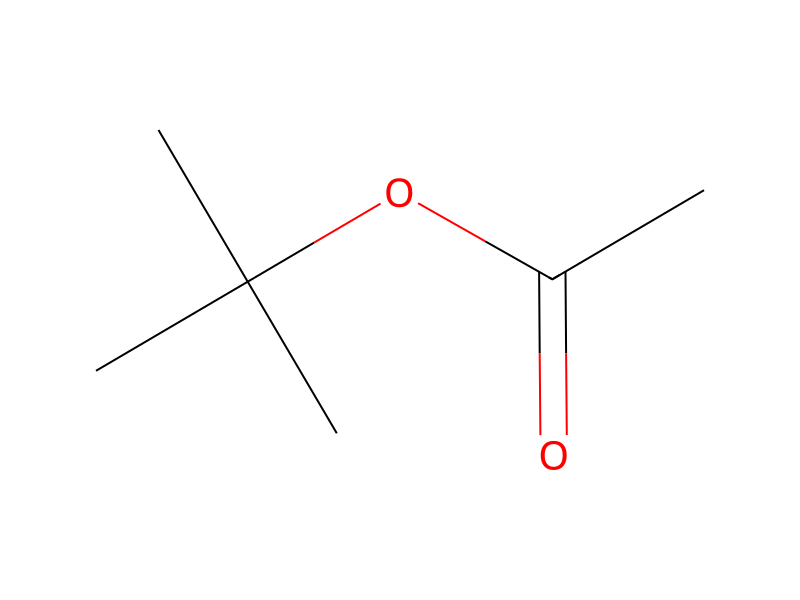
[Br:1][C:2]1[S:3][C:4]([C:13]2[CH:18]=[CH:17][CH:16]=[CH:15][CH:14]=2)=[CH:5][C:6]=1[CH:7]([OH:12])[C:8]([O:10][CH3:11])=[O:9].Cl(O)(=O)(=O)=O.C(=O)([O-])[O-].[K+].[K+]>C(OC(C)(C)C)(=O)C>[Br:1][C:2]1[S:3][C:4]([C:13]2[CH:18]=[CH:17][CH:16]=[CH:15][CH:14]=2)=[CH:5][C:6]=1[CH:7]([O:12][C:6]([CH3:7])([CH3:5])[CH3:2])[C:8]([O:10][CH3:11])=[O:9]Participants
5



Conditions
- Temperature
- 0 °C
Procedure
Methyl 2-(2-bromo-5-phenylthiophen-3-yl)-2-hydroxyacetate (11h) (75 mg, 0.23 mmol) was dissolved in tert-butyl acetate (8.6 mL) at 0° C. and 70% perchloric acid (1.1 mL) was rapidly added. The mixture was stirred at 0° C. for 30 minutes then poured in a saturated solution of potassium carbonate. Layers were separated. The aqueous layer was extracted with ethyl acetate (2×15 mL). The organic layers were washed with brine (8 mL), dried over sodium sulfate and concentrated in vacuo to provide the desired product (11i) (77 mg, 0.20 mmol, 87%) which was used without further purification.
Workup
- customLayers were separated
- extractionThe aqueous layer was extracted with ethyl acetate (2×15 mL)
- washThe organic layers were washed with brine (8 mL)
- dry with materialdried over sodium sulfate
- concentrationconcentrated in vacuo
Sources & evidence
- ORD record
- ord-e0924bf67ed6436db3850b3eeff8de43
- Source dataset
- uspto-grants-2016_01
- Patent number
- US09238026B2
Reaction notes
Loading…